
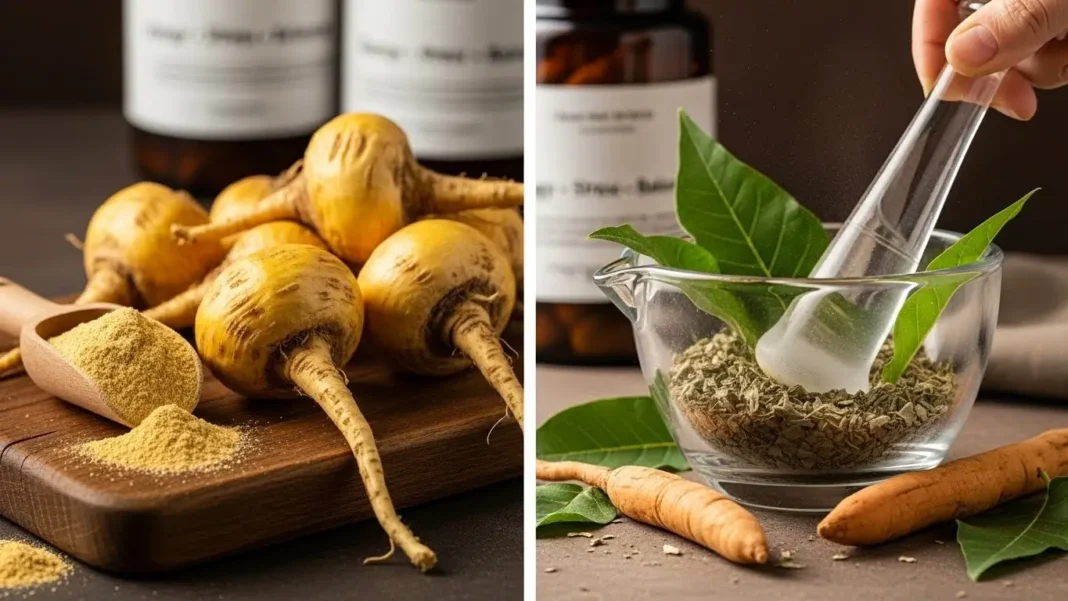


If you’ve been scrolling through health and wellness feeds lately, you’ve probably noticed two names popping up everywhere: maca root and ashwagandha. These aren’t just trendy supplements that’ll disappear next month—they’re ancient powerhouses with centuries of traditional use backing them up. But here’s the thing: understanding which one might work for you (or whether you should take both) isn’t always straightforward.
I’ve spent years researching natural supplements, and honestly? The more I learn about these two adaptogens, the more impressed I become. They’re not magic pills, but when used correctly, they can support your body in pretty remarkable ways.
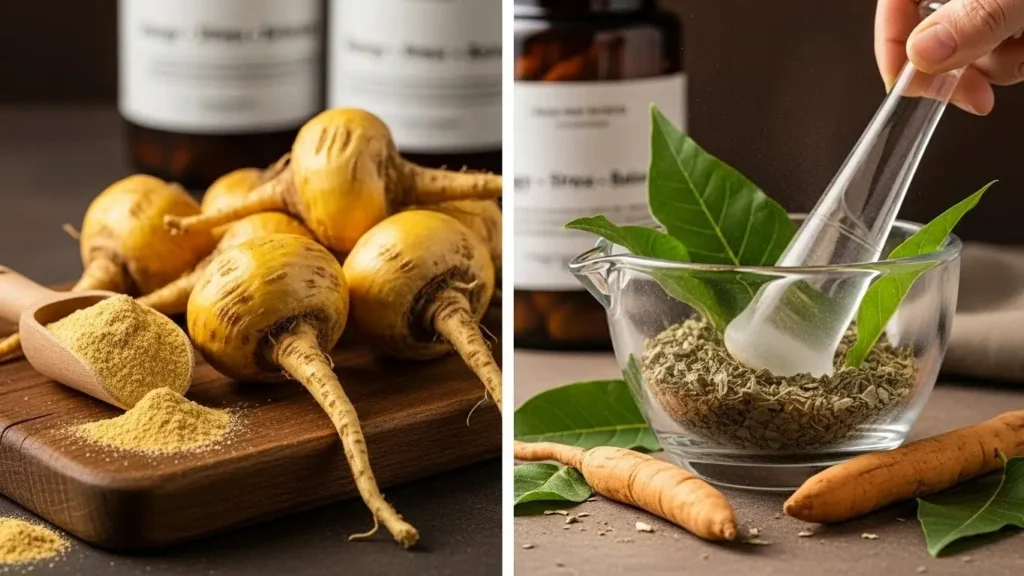
What Exactly Are Adaptogens?
Before we dive deep into maca and ashwagandha specifically, let’s talk about what makes them special. Both are classified as adaptogens—substances that help your body adapt to stress and maintain balance. Think of them as your body’s personal stress managers, working behind the scenes to keep everything running smoothly.
The concept might sound a bit mystical, but there’s solid science here. Adaptogens work by supporting your body’s stress response system, helping you maintain equilibrium even when life gets chaotic. And let’s be real—whose life isn’t a bit chaotic these days?
Ashwagandha: The Ancient Stress-Buster
The Backstory
Ashwagandha (Withania somnifera) has been a cornerstone of Ayurvedic medicine for over 3,000 years. Sometimes called “Indian ginseng,” this small shrub with yellow flowers grows primarily in India and Southeast Asia. The root is where all the magic happens—it’s been ground into powders, brewed into teas, and formulated into supplements for millennia.
What Does Ashwagandha Actually Do?
Here’s where things get interesting. Research shows that ashwagandha works primarily by regulating your body’s stress response. Specifically, it helps manage cortisol levels—that’s the hormone your body releases when you’re stressed. Think of cortisol as your internal alarm system. It’s helpful in short bursts, but when it’s constantly blaring, you’re going to have problems.
A comprehensive study published on the NIH’s database found that ashwagandha supplementation significantly reduced both anxiety and stress levels in participants. The research showed particularly impressive results when people took standardized extracts containing specific compounds called withanolides. These are the active ingredients that give ashwagandha its therapeutic effects.
But stress relief isn’t the only benefit. Research indicates ashwagandha may also:
Support Better Sleep Quality
If you’ve been tossing and turning at night, ashwagandha might help. Multiple studies have shown improvements in sleep onset latency (how long it takes you to fall asleep) and overall sleep quality. One clinical trial found that people taking ashwagandha experienced significantly better sleep efficiency compared to those taking a placebo. The effect seems to be particularly pronounced in people dealing with insomnia or stress-related sleep disruptions.
Enhance Cognitive Function
Your brain needs support too, right? Research suggests that ashwagandha can improve memory, focus, and overall cognitive performance. One study found that participants taking ashwagandha showed improved recall memory and decreased error rates in pattern recognition tasks. This isn’t about making you superhuman—it’s about helping your brain function at its best when stress might otherwise slow you down.
Support Physical Performance
For the fitness enthusiasts out there, here’s something interesting: ashwagandha has been shown to support muscle strength and recovery. Several studies have found that people taking ashwagandha during resistance training experienced greater increases in muscle strength and mass compared to placebo groups. It may also help improve cardiorespiratory endurance, making those gym sessions a bit more productive.
Potentially Support Reproductive Health
Both men and women might benefit here. In men, some research suggests ashwagandha may support healthy testosterone levels and sperm quality. For women, it might help balance hormones and reduce symptoms associated with hormonal changes, particularly during menopause.
The Dosage Question
Most clinical studies have used doses ranging from 250 to 600 mg of standardized ashwagandha extract daily, typically split into two doses. The key word here is “standardized”—you want extracts that specify their withanolide content, usually around 1.5% to 5%. Results typically become noticeable after 8 to 12 weeks of consistent use, though some people report feeling differences sooner.
Maca Root: The Peruvian Energy Booster
Where It All Began
While ashwagandha has its roots in India, maca (Lepidium meyenii) comes from the high-altitude regions of Peru’s Andes Mountains—we’re talking over 13,000 feet above sea level. This cruciferous vegetable (yes, it’s related to broccoli and cauliflower) has been cultivated for at least 2,000 years. The native Peruvian people have used it both as food and medicine, and their traditional wisdom is now being backed up by modern research.
What Makes Maca Special?
Maca works differently than ashwagandha. Rather than primarily targeting your stress hormones, maca is more of an all-around nutritional powerhouse. It’s packed with vitamins, minerals, amino acids, and unique compounds called macamides and macaenes that you won’t find in many other plants.
The benefits of maca root include:
Natural Energy Enhancement
Unlike caffeine, which can leave you jittery and crash later, maca provides a more sustained energy boost. It works by supporting your body’s natural energy production at the cellular level. Athletes have used maca to improve endurance and stamina, and research suggests it may help reduce exercise-induced fatigue. If you’re dragging through your afternoons, maca might be worth considering.
Hormonal Balance Support
Here’s where maca really shines, particularly for women. Research suggests that maca may help balance hormones by acting on the hypothalamic-pituitary-ovarian axis—basically the control center for reproductive hormones. Studies have shown potential benefits for women experiencing menopausal symptoms, including reductions in hot flashes and night sweats. Interestingly, maca achieves these effects without directly altering hormone levels, which makes it a unique option for hormonal support.
Libido and Sexual Function
Let’s address the elephant in the room—yes, maca has traditionally been used as an aphrodisiac, and there’s research to support this. Multiple studies have found that maca supplementation may improve sexual desire in both men and women. One notable study found that women taking 3,000 mg of maca daily for 12 weeks experienced significant improvements in sexual function and libido. For men, research suggests potential benefits for erectile function and sperm quality, though more studies are needed to fully understand these effects.
Mood and Mental Clarity
Beyond physical benefits, maca may support mental well-being. Some research indicates that regular maca consumption might help reduce symptoms of anxiety and depression, particularly in postmenopausal women. Users often report feeling more mentally clear and focused, though individual experiences vary.
Nutrient Density
Don’t overlook this aspect—maca is genuinely nutritious. It contains significant amounts of vitamin C, copper, and iron, along with over 20 amino acids. If you’re looking to add more nutrients to your diet in supplement form, maca delivers real value beyond its active compounds.
Types of Maca and Dosing
Here’s something many people don’t realize: maca comes in three main varieties based on root color—yellow, red, and black. Each has slightly different properties. Yellow maca is the most common and mildest in flavor. Red maca is often preferred for prostate health and bone density. Black maca shows particular promise for improving sperm production and male fertility. Many supplements use a blend of all three.
Research studies typically use doses ranging from 1.5 to 3 grams daily, though some traditional uses involve much higher amounts. Start low and increase gradually to assess your tolerance.
Ashwagandha vs. Maca: The Key Differences
While both are adaptogens, they work quite differently:
Primary Focus
Ashwagandha excels at stress management and calming the nervous system. It’s your go-to when anxiety, poor sleep, or chronic stress are your main concerns. Maca, conversely, tends to be more energizing and hormone-balancing. It’s better suited for fatigue, low energy, and hormonal issues.
Mechanism of Action
Ashwagandha directly affects your stress hormone pathways, particularly cortisol regulation. Maca works more broadly, supporting overall endocrine function and providing nutritional support without directly altering specific hormone levels.
Energy Effects
This is crucial: ashwagandha promotes calm energy and better stress resilience, while maca provides more direct energy enhancement. If you’re wired and tired, ashwagandha makes more sense. If you’re just plain tired, maca might be the better choice.
Traditional Use
Ashwagandha has been used primarily for its rejuvenating and stress-reducing properties in Ayurvedic medicine. Maca was traditionally consumed as a staple food in Peru and valued for enhancing fertility, stamina, and resilience to harsh environmental conditions.
Can You Take Them Together?
Here’s the good news: yes, you absolutely can take ashwagandha and maca together. In fact, combining them might give you the best of both worlds—stress management from ashwagandha and energy enhancement from maca. There are no known negative interactions between these two supplements.
Many people find that this combination helps them feel both more calm and more energized—a tricky balance to achieve. The ashwagandha helps manage stress and improve sleep quality, while the maca provides sustained energy and hormonal support. It’s like having a relaxation specialist and an energy coach working in tandem.
If you decide to combine them, consider taking ashwagandha in the evening (since it can promote relaxation and better sleep) and maca in the morning (for its energizing effects). However, this timing isn’t set in stone—experiment to find what works best for your body.
Safety Considerations and Side Effects
Both supplements are generally well-tolerated, but let’s be realistic about potential issues.
Ashwagandha Concerns
Most people tolerate ashwagandha well, especially for short-term use up to three months. Common mild side effects can include digestive upset, diarrhea, or drowsiness. However, there are some important precautions:
Recent reports have linked ashwagandha supplements to cases of liver injury in some individuals, though this appears to be rare. If you have existing liver conditions, proceed with extra caution and medical supervision. The National Center for Complementary and Integrative Health notes that ashwagandha should be avoided during pregnancy and breastfeeding.
It may interact with thyroid medications, sedatives, and immunosuppressants. If you’re taking any medications, especially for thyroid conditions or autoimmune diseases, consult your healthcare provider before starting ashwagandha.
Maca Considerations
Maca has an excellent safety profile. It’s been consumed as food in Peru for centuries, often in amounts exceeding 100 grams daily. Side effects are uncommon and usually mild, primarily involving digestive discomfort or headaches when first starting.
That said, exercise caution if you have thyroid conditions or hormone-sensitive conditions like breast cancer or uterine fibroids. While maca doesn’t directly alter hormone levels, it can affect hormonal balance, which might impact these conditions. Pregnant and breastfeeding women should avoid maca due to insufficient safety data.
Be cautious about product quality—some maca products from Peru have been found to contain undeclared pharmaceutical ingredients. Stick with reputable brands that conduct third-party testing.
Choosing Quality Supplements
Not all supplements are created equal, and this matters more than you might think. Here’s what to look for:
For Ashwagandha:
- Look for standardized extracts (KSM-66 and Sensoril are well-researched forms)
- Check the withanolide content (should be clearly stated)
- Choose products that specify the root is used (not just leaves or stems)
- Third-party testing certification is essential
For Maca:
- Gelatinized maca is often easier to digest than raw maca powder
- Look for products that specify they’re from Peru (quality matters with maca)
- Consider whether you want a single color or a tri-color blend
- Organic certification helps ensure purity
- Again, third-party testing is your friend
Both supplements should be free from unnecessary fillers, artificial ingredients, and potential contaminants like heavy metals.
Real Talk: What Results Can You Actually Expect?
Let’s set realistic expectations here. These aren’t miracle cures, and they won’t work overnight. Most research suggests you’ll need at least 6 to 8 weeks of consistent use before experiencing noticeable benefits. Some people report feeling differences within a few weeks, while others take longer.
Your results will depend on multiple factors: your current health status, the quality of the supplement you’re taking, your dosage, other lifestyle factors, and your individual biochemistry. What works wonderfully for your friend might not work the same way for you, and that’s completely normal.
Both supplements work best as part of a broader approach to health. They’re tools to support your wellness, not replacements for foundational health habits like adequate sleep, balanced nutrition, regular exercise, and stress management techniques.
Who Should Consider These Supplements?
Ashwagandha Might Be Right For You If:
- You’re dealing with chronic stress or anxiety
- Sleep quality is an issue
- You want to support your body’s stress resilience
- You’re looking for cognitive support
- You’re an athlete interested in recovery support
Maca Might Be Right For You If:
- Energy levels are consistently low
- You’re experiencing hormonal imbalances
- You want to support sexual health naturally
- You need nutrient-dense supplementation
- You’re looking for sustained energy without stimulants
Consider Both If:
- You want comprehensive stress and energy support
- You’re dealing with both fatigue and high stress
- You want to support multiple aspects of wellness simultaneously
The Bottom Line
Maca root and ashwagandha represent two different but complementary approaches to supporting your health naturally. Ashwagandha shines as a stress-management tool that promotes calm, better sleep, and cognitive function. Maca excels at providing energy, hormonal balance, and nutritional support.
Neither is inherently “better”—they simply serve different purposes. Your choice should depend on your specific health goals, current challenges, and how your body responds to each. Many people find that using both together provides comprehensive support for managing modern life’s demands.
Remember that supplements work best when combined with solid lifestyle foundations. They can support and enhance your wellness journey, but they can’t compensate for poor sleep, terrible diet, or chronic stress without any management strategies.
If you’re considering adding these adaptogens to your routine, start with one at a time so you can gauge how your body responds. Give each supplement adequate time to work—at least 6 to 8 weeks—before deciding whether it’s right for you. And always consult with a healthcare provider, especially if you have existing health conditions or take medications.
The ancient wisdom surrounding these plants is now being validated by modern science, giving us powerful tools for supporting our health naturally. Whether you choose ashwagandha, maca, or both, you’re tapping into traditions that have helped people thrive for thousands of years. That’s pretty remarkable when you think about it.
This article is for informational purposes only and does not constitute medical advice. Always consult with a qualified healthcare provider before starting any new supplement regimen, especially if you have existing health conditions or take medications.
The information provided on HealthyPa.com is for educational and informational purposes only and is not intended as medical advice. The content on this website, including articles, reviews, and product recommendations, should not be used as a substitute for professional medical advice, diagnosis, or treatment.
Always seek the advice of your physician or other qualified health provider with any questions you may have regarding a medical condition or before starting any new supplement, diet, or exercise program. Never disregard professional medical advice or delay in seeking it because of something you have read on this website.
The statements regarding dietary supplements have not been evaluated by the Food and Drug Administration (FDA). These products are not intended to diagnose, treat, cure, or prevent any disease.
Individual results may vary. The testimonials and experiences shared on this website are individual cases and do not guarantee that you will achieve the same results.
If you are pregnant, nursing, taking medication, or have a medical condition, consult your healthcare provider before using any products reviewed or recommended on this site.
HealthyPa.com and its authors, contributors, and affiliated parties assume no responsibility for any consequences relating directly or indirectly to any action or inaction you take based on the information found on this website.
By using this website, you acknowledge and agree to this disclaimer.
HealthyPa.com is reader-supported. When you buy through links on our site, we may earn an affiliate commission at no additional cost to you. This helps us keep our content free and continue providing valuable health information. We only recommend products we genuinely believe in. Learn more in our full Affiliate Disclosure Policy.