


Natural Foods That Enhance Progesterone Production
Understanding Progesterone’s Importance
Progesterone is more than just a reproductive hormone. It impacts mood, sleep, bone density, and overall metabolic health. Low progesterone levels can lead to various health challenges, including irregular menstrual cycles, fertility issues, and increased stress.
Nutrient-Rich Foods for Progesterone Support
Certain foods can naturally stimulate progesterone production, providing a holistic approach to hormonal balance. Here are some powerful dietary options:
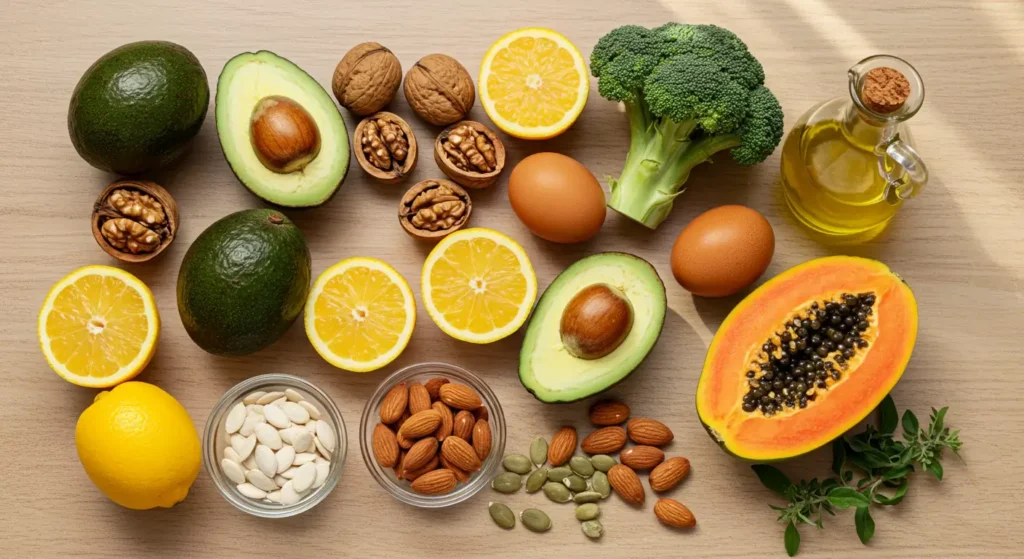
- Nuts and SeedsWalnuts, almonds, and pumpkin seeds are packed with essential nutrients that support hormone production. These foods contain zinc and selenium, which play critical roles in progesterone synthesis.
- Healthy FatsAvocados, olive oil, and coconut oil provide crucial building blocks for hormone production. These healthy fats help your body create the necessary compounds for optimal hormone function.
- Cruciferous VegetablesBroccoli, cauliflower, and Brussels sprouts help balance estrogen levels, indirectly supporting progesterone production. These vegetables contain compounds that support liver health and hormone metabolism.
Powerful Progesterone-Boosting Ingredients
Some specific foods stand out for their hormone-supporting properties:
- Egg yolks: Rich in cholesterol, which serves as a precursor to hormone production
- Vitamin B6-rich foods like chicken and fish
- Vitamin C sources such as citrus fruits and bell peppers
Herbal Allies for Hormone Balance
Natural herbs can provide additional support for progesterone levels. Vitex (chasteberry) is particularly renowned for its ability to support hormone balance. This herb works by influencing the pituitary gland, which helps regulate hormone production.
Lifestyle Considerations
Diet is just one aspect of supporting progesterone levels. Stress management, adequate sleep, and regular exercise also play crucial roles in hormone balance. Chronic stress can significantly impact hormone production, potentially reducing progesterone levels.
Potential Dietary Obstacles
Some foods and habits can negatively impact progesterone levels. Excessive caffeine, sugar, and processed foods may disrupt hormone balance. Alcohol consumption can also interfere with hormone production and metabolism.
Personalized Approach to Hormone Health
Every individual’s hormonal needs are unique. While these dietary recommendations can support progesterone production, it’s essential to consult with a healthcare professional. They can provide personalized guidance based on your specific health profile and hormonal needs.
Nutritional Synergy
Combining these foods creates a synergistic effect. A balanced diet rich in whole foods, lean proteins, and nutrient-dense vegetables provides the best foundation for hormone health. Consider working with a nutritionist to develop a comprehensive nutrition plan tailored to your specific needs.
Remember, hormone balance is a holistic journey. Nutrition is a powerful tool, but it works best when combined with a healthy lifestyle, stress management, and professional medical guidance.
Hormonal Balance and Dietary Strategies
Maintaining optimal hormonal balance is crucial for overall health and well-being, with progesterone playing a significant role in women’s reproductive and general physiological functions. While hormonal fluctuations are natural, dietary choices can profoundly impact hormone levels and support the body’s natural processes.
Your diet can be a powerful tool in naturally supporting progesterone production. Certain nutrients and food groups have been shown to positively influence hormone regulation and support the endocrine system’s delicate balance.
Essential Nutrients for Progesterone Support
Several key nutrients can help boost progesterone levels naturally:
- Vitamin B6: Helps regulate hormonal balance and supports the corpus luteum, which produces progesterone
- Zinc: Critical for hormone production and reproductive health
- Magnesium: Supports hormone regulation and reduces stress-related hormone imbalances
- Vitamin C: Enhances hormone production and supports overall endocrine function
Dietary Powerhouses for Hormone Health
Specific foods into your diet can provide natural support for progesterone levels. Nuts and seeds are particularly beneficial, offering a rich blend of nutrients that promote hormonal balance. Specifically, walnuts, pumpkin seeds, and sunflower seeds contain essential fatty acids and minerals that support hormone production.
Healthy fats play a crucial role in hormone synthesis. Avocados, coconut oil, and olive oil provide the building blocks necessary for hormone production. These healthy fats help your body create a stable hormonal environment and support overall endocrine function.
Plant-Based Progesterone Supporters
Certain plant-based foods contain natural compounds that can help balance hormones. Chaste tree berry, often consumed as a supplement, has been traditionally used to support progesterone levels. Yams and sweet potatoes contain natural compounds that may help increase progesterone production.
Protein and Hormone Balance
Lean proteins are essential for hormone production. Wild-caught fish, organic chicken, and legumes provide amino acids that support hormone synthesis. These protein sources also help stabilize blood sugar levels, which is crucial for maintaining hormonal balance.
Stress Reduction Through Nutrition
Chronic stress can significantly impact hormone levels, particularly progesterone. Foods rich in adaptogenic herbs like ashwagandha and rhodiola can help manage stress responses. Green leafy vegetables, rich in magnesium, also support stress reduction and hormone balance.
Foods to Limit
Some foods can negatively impact hormone balance. Processed foods, excessive sugar, and refined carbohydrates can disrupt hormone production. Limiting alcohol and caffeine intake can also support more stable hormone levels.
Holistic Approach to Hormone Health
While diet plays a crucial role, it’s important to consider a comprehensive approach to hormone balance. Regular exercise, adequate sleep, stress management, and staying hydrated all contribute to optimal hormone production.
Consulting with a healthcare professional can provide personalized guidance, especially for individuals experiencing persistent hormonal imbalances. Blood tests and comprehensive health assessments can offer insights into specific nutritional needs and potential underlying health conditions.
Remember that individual hormone responses can vary. What works for one person might not be identical for another. Patience and consistent dietary choices are key to supporting your body’s natural hormone production processes.
Nutritional Approaches to Supporting Female Hormone Health
Key Nutrients for Hormone Support
Certain foods play a significant role in supporting hormone production and regulation. Progesterone, a vital hormone for female reproductive health, can be naturally influenced through strategic dietary choices. specific nutrients can help balance hormone levels and promote optimal wellness.
Foods That Naturally Enhance Hormone Production
- Nuts and SeedsWalnuts, almonds, and pumpkin seeds are rich in healthy fats and zinc, which support hormone production. These nutrient-dense foods help create a foundation for balanced hormone levels.
- Healthy Fat SourcesAvocados, olive oil, and coconut oil provide essential fatty acids that are crucial for hormone synthesis. These healthy fats help your body produce hormones more effectively.
- Cruciferous VegetablesBroccoli, cauliflower, and Brussels sprouts contain indole-3-carbinol, which helps regulate estrogen metabolism and supports overall hormone balance.
Vitamin and Mineral Powerhouses
Certain vitamins and minerals play a critical role in hormone production and regulation. Vitamin B6, magnesium, and zinc are particularly important for supporting progesterone levels. Foods rich in these nutrients can help optimize hormone health naturally.
Zinc-Rich Food Sources
Zinc is essential for hormone production and can be found in:
- Oysters
- Lean meats
- Pumpkin seeds
- Chickpeas
Herbal Support for Hormone Balance
Natural herbs can provide additional support for hormone health. Chasteberry (vitex) has been traditionally used to support progesterone production and regulate menstrual cycles. Other beneficial herbs include maca root and evening primrose, which can help balance hormone levels.
Lifestyle Considerations
Diet is just one aspect of hormone health. Stress management, regular exercise, and adequate sleep also play crucial roles in maintaining hormonal balance. Chronic stress can disrupt hormone production, making holistic lifestyle approaches essential.
Protein and Hormone Health
Lean protein sources provide amino acids necessary for hormone production. Consider incorporating:
- Wild-caught fish
- Organic chicken
- Legumes
- Eggs
Potential Dietary Disruptors
Some foods can negatively impact hormone balance. Processed foods, excessive sugar, and alcohol can interfere with hormone production. Minimizing these items and focusing on whole, nutrient-dense foods can support overall hormone health.
Hydration and Hormone Balance
Proper hydration is often overlooked but crucial for hormone function. Water helps transport hormones, supports metabolism, and ensures optimal cellular function. Aim for at least 8 glasses of water daily to support your body’s hormonal processes.
Women seeking to optimize their hormone health should approach nutrition holistically. While diet plays a significant role, it’s important to consult healthcare professionals for personalized guidance. Individual hormone needs vary, and a comprehensive approach considering diet, lifestyle, and potential underlying health conditions provides the most effective support.
Understanding Progesterone and Its Dietary Influences
Hormones play a crucial role in maintaining overall health, and progesterone is a key player in this complex biological system. This essential hormone helps regulate menstrual cycles, supports pregnancy, and contributes to various bodily functions. While many factors influence progesterone levels, your diet can be a powerful tool in naturally supporting hormonal balance.
Natural Dietary Approaches to Hormone Support
Your nutritional choices can significantly impact hormone production. Certain foods contain nutrients that can help stimulate progesterone production or create an environment conducive to hormonal health. Understanding these dietary strategies can empower you to make informed choices about your nutrition.
Key Nutrients for Progesterone Production
- Vitamin B6: Helps regulate hormone balance
- Zinc: Essential for hormone synthesis
- Magnesium: Supports overall hormonal function
- Vitamin C: Enhances progesterone production
Progesterone-Boosting Food Selections
Specific foods into your diet can naturally support your body’s progesterone levels. These nutritional powerhouses provide essential nutrients that contribute to hormonal harmony.
Nuts and Seeds for Hormonal Health
Certain nuts and seeds are particularly beneficial for progesterone production. Walnuts, almonds, and pumpkin seeds are rich in zinc and magnesium, which play critical roles in hormone synthesis. These foods not only support progesterone levels but also provide additional health benefits like improved heart health and enhanced metabolic function.
Cruciferous Vegetables: Hormone Balancing Allies
Vegetables like broccoli, cauliflower, and Brussels sprouts contain indole-3-carbinol, a compound that helps balance estrogen levels. By supporting estrogen metabolism, these vegetables indirectly contribute to optimal progesterone balance. Regular consumption can help create a more harmonious hormonal environment.
Additional Beneficial Foods
- Avocados: Rich in healthy fats that support hormone production
- Fatty fish: Provides omega-3 fatty acids for hormonal health
- Eggs: Contain cholesterol necessary for hormone synthesis
- Dried fruits: Offer concentrated nutrients supporting reproductive health
Lifestyle Considerations for Hormone Balance
While diet plays a significant role, other lifestyle factors also influence progesterone levels. Stress management, adequate sleep, and regular exercise complement dietary efforts in maintaining hormonal equilibrium.
Potential Dietary Obstacles
Some dietary choices can negatively impact progesterone levels. Excessive sugar consumption, processed foods, and high caffeine intake might disrupt hormone balance. Being mindful of these potential obstacles can help you make more informed nutritional decisions.
Smart Supplementation
In some cases, dietary changes might not be sufficient. Consulting with a healthcare professional about targeted supplementation can provide personalized guidance. Supplements like vitamin B6, zinc, and magnesium can offer additional support for progesterone production.
Understanding Individual Variations
Every person’s hormonal landscape is unique. Factors such as age, overall health, stress levels, and genetic predispositions influence how your body produces and responds to progesterone. What works effectively for one individual might require different approaches for another.
By adopting a holistic approach that combines targeted nutrition, lifestyle modifications, and professional guidance, you can support your body’s natural progesterone production. Remember that consistency and patience are key when working towards hormonal balance.
Lifestyle and Nutrition for Optimal Hormone Regulation
Maintaining balanced hormone levels is crucial for overall health and well-being. Your daily choices in nutrition and lifestyle play a significant role in supporting your body’s natural hormone regulation processes.
Understanding Hormonal Balance
Hormones act as chemical messengers that control numerous bodily functions, including metabolism, reproduction, mood, and energy levels. When these delicate systems are disrupted, individuals may experience various health challenges.
Nutritional Strategies for Hormone Support
Certain foods can significantly impact hormone production and balance. specific nutrients can help optimize your body’s natural hormone regulation:
- Healthy Fats: Avocados, olive oil, and nuts provide essential fatty acids that support hormone production
- Protein-Rich Foods: Lean meats, fish, and legumes help stabilize blood sugar and support hormone synthesis
- Cruciferous Vegetables: Broccoli, cauliflower, and Brussels sprouts assist in estrogen metabolism
Key Nutrients for Hormonal Health
Specific vitamins and minerals play a critical role in maintaining hormonal balance. Zinc, magnesium, and vitamin D are particularly important for supporting endocrine function. These nutrients help regulate insulin, thyroid hormones, and reproductive hormones.
Zinc-Rich Food Sources
- Pumpkin seeds
- Oysters
- Beef
- Lentils
Lifestyle Factors Impacting Hormone Regulation
Beyond nutrition, several lifestyle choices dramatically influence hormonal health. Chronic stress, inadequate sleep, and lack of physical activity can disrupt hormone production and balance.
Stress Management Techniques
- Regular meditation
- Deep breathing exercises
- Yoga
- Adequate sleep hygiene
Exercise and Hormone Balance
Physical activity is a powerful tool for hormone regulation. Strength training and moderate cardiovascular exercise can help balance insulin, cortisol, and testosterone levels. Aim for at least 150 minutes of moderate exercise per week to support optimal hormonal function.
Dietary Considerations
Processed foods, excessive sugar, and refined carbohydrates can negatively impact hormone production. Focus on whole, nutrient-dense foods that provide sustained energy and support metabolic processes.
Foods to Limit
- Refined sugar
- Processed snacks
- Artificial sweeteners
- Excessive caffeine
Hydration and Hormone Health
Proper hydration is essential for hormone transportation and cellular communication. Drinking adequate water helps flush toxins and supports overall endocrine system function. Aim for 8-10 glasses of water daily.
Supplementation Considerations
While whole foods should be the primary source of nutrients, some individuals might benefit from targeted supplementation. Consult with a healthcare professional to determine if supplements like vitamin D, omega-3, or adaptogenic herbs could support your hormonal balance.
Potential Supplement Options
- Vitamin D
- Omega-3 fatty acids
- Magnesium
- Adaptogenic herbs
Remember that hormone balance is a complex and individualized process. Personalized approaches that consider your unique physiology, lifestyle, and health history are most effective in achieving optimal hormonal wellness.
Conclusion
Nurturing your body with the right foods can be a powerful strategy for naturally supporting progesterone levels and overall hormonal health. By incorporating a diverse range of nutrient-rich foods like nuts, seeds, whole grains, and specific vegetables, women can take proactive steps towards hormonal balance.
The journey to optimal hormone regulation isn’t just about diet—it’s a holistic approach that combines nutrition, lifestyle choices, and mindful self-care. Each food choice you make can contribute to creating a supportive internal environment that promotes healthy hormone production and balance.
Remember that consistency is key. Small, sustainable dietary changes can yield significant benefits over time. While no single food is a magic solution, a well-rounded diet rich in essential nutrients can help your body maintain natural progesterone levels and support overall reproductive wellness.
Consulting with healthcare professionals like nutritionists or endocrinologists can provide personalized guidance tailored to your specific hormonal needs. They can help you develop a comprehensive strategy that goes beyond nutrition, potentially incorporating stress management, sleep optimization, and targeted supplementation.
Your body is a complex, interconnected system, and hormonal health reflects this intricate balance. By prioritizing whole, nutrient-dense foods and adopting a holistic approach to wellness, you empower yourself to support natural hormone regulation and enhance your overall quality of life.
Ultimately, understanding and nurturing your hormonal health is an ongoing journey of self-discovery and compassionate self-care. Embrace the process, listen to your body, and make informed choices that support your unique physiological needs.
The information provided on HealthyPa.com is for educational and informational purposes only and is not intended as medical advice. The content on this website, including articles, reviews, and product recommendations, should not be used as a substitute for professional medical advice, diagnosis, or treatment.
Always seek the advice of your physician or other qualified health provider with any questions you may have regarding a medical condition or before starting any new supplement, diet, or exercise program. Never disregard professional medical advice or delay in seeking it because of something you have read on this website.
The statements regarding dietary supplements have not been evaluated by the Food and Drug Administration (FDA). These products are not intended to diagnose, treat, cure, or prevent any disease.
Individual results may vary. The testimonials and experiences shared on this website are individual cases and do not guarantee that you will achieve the same results.
If you are pregnant, nursing, taking medication, or have a medical condition, consult your healthcare provider before using any products reviewed or recommended on this site.
HealthyPa.com and its authors, contributors, and affiliated parties assume no responsibility for any consequences relating directly or indirectly to any action or inaction you take based on the information found on this website.
By using this website, you acknowledge and agree to this disclaimer.
HealthyPa.com is reader-supported. When you buy through links on our site, we may earn an affiliate commission at no additional cost to you. This helps us keep our content free and continue providing valuable health information. We only recommend products we genuinely believe in. Learn more in our full Affiliate Disclosure Policy.