
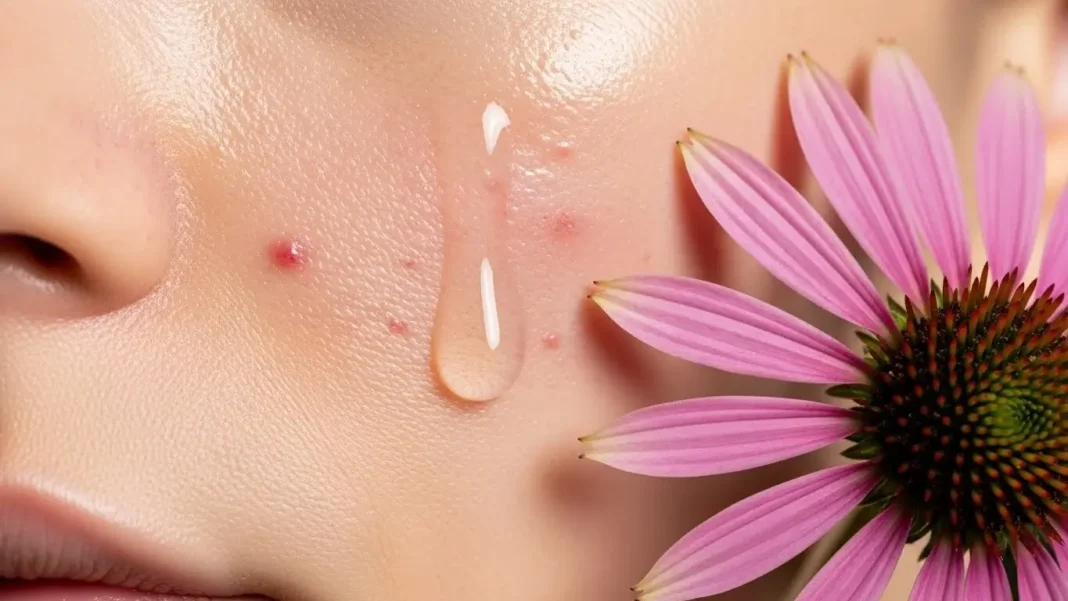


When most people hear “echinacea,” they immediately think of those immune-boosting supplements tucked away in their medicine cabinet for cold season. But here’s something that might surprise you: this purple wildflower has been quietly revolutionizing skincare routines, and honestly, it’s about time more people knew about it.
I’ve spent years researching botanical ingredients (probably more time than I’d like to admit), and echinacea keeps coming up in the most interesting ways. Let me walk you through everything I’ve learned about how this humble plant can transform your skin.
What Exactly Is Echinacea?
Echinacea purpurea, commonly known as purple coneflower, belongs to the daisy family and has been used in traditional Native American medicine for centuries. While there are nine different species, Echinacea purpurea, Echinacea angustifolia, and Echinacea pallida are the stars when it comes to herbal remedies and skincare applications.
The plant’s petals, roots, and leaves contain powerful compounds including polysaccharides, alkylamides, and cichoric acid. These active ingredients don’t just sit there looking pretty—they actually work at a cellular level to benefit your skin in multiple ways.
The Science Behind Echinacea’s Skin Benefits
Let me get a bit nerdy for a moment because understanding why echinacea works makes it so much easier to appreciate what it does.
Research has demonstrated that echinacea contains remarkable antioxidant properties. The cichoric acid found in its roots displays various beneficial activities for skin, including antiviral, antioxidant, and anti-inflammatory effects. Studies show this compound can actually help prevent damage from UVA radiation, which contributes to premature aging.
But what really caught my attention was how echinacea affects skin hydration at a fundamental level. Rather than just sitting on the surface like many moisturizing ingredients, echinacea works from the inside out by boosting your skin’s own moisture-producing properties, increasing epidermal lipids, ceramides, and cholesterol.
Fighting Acne Without the Harsh Side Effects
Here’s where things get really interesting for anyone dealing with acne. Traditional acne treatments can be brutal—they often dry out your skin, cause redness, and sometimes make things worse before they get better.
Echinacea takes a completely different approach. Research published in scientific journals found that echinacea extract successfully suppresses the growth of Propionibacterium acnes, the bacteria responsible for causing many breakouts. What makes this even better? It simultaneously reduces pro-inflammatory cytokines in skin cells, which means less redness and swelling.
One study showed that echinacea’s antimicrobial and anti-inflammatory properties work together beautifully—killing the bad bacteria while keeping existing breakouts calm, all without stripping your skin of moisture. For people dealing with deep cystic acne (which is painful and frustrating), the anti-inflammatory benefits are particularly valuable.
Powerful Antioxidant Protection
Every single day, your skin faces an onslaught of environmental damage. UV rays, pollution, stress—they all create free radicals, those unstable molecules that wreak havoc on healthy cells.
Think of free radicals like uninvited guests at a party who start causing trouble. They steal electrons from your cells, damaging DNA, breaking down collagen, and accelerating aging. The visible results? Wrinkles, dark spots, sagging skin, and dullness.
Echinacea comes loaded with antioxidants—specifically flavonoids, cichoric acid, and rosmarinic acid—that act as bouncers, neutralizing these troublemakers before they can cause damage. When free radicals encounter these antioxidants, they get what they need (an extra electron) without harming your skin cells.
The research on this is pretty compelling. Studies have shown that echinacea’s antioxidant activity helps protect existing collagen and elastin while stimulating new production. It’s like giving your skin a shield against daily environmental assault.
Soothing Relief for Eczema and Sensitive Skin
If you’ve ever dealt with eczema or atopic dermatitis, you know how challenging it can be to find products that actually help without causing irritation. This is another area where echinacea really shines.
Clinical studies have found that creams containing Echinacea purpurea extract can significantly alleviate symptoms of atopic eczema. The research shows that these formulations exert clinically relevant anti-inflammatory effects, reduce cutaneous symptoms, and improve the epidermal lipid barrier—basically, they help repair your skin’s protective outer layer.
One particularly interesting study examined echinacea-derived alkylamides (specific compounds found in the plant) and found they activate cannabinoid receptors in the skin, which helps regulate immune responses and reduces inflammation. Adults with itchy skin—whether from eczema, dermatitis, or just dryness—found significant relief using echinacea-based emulsions and shampoos.
Hydration That Actually Lasts
Most moisturizers work by trapping water on your skin’s surface or adding moisture from external sources. Echinacea does something different and, frankly, more impressive.
Research demonstrates that applying echinacea-containing skincare products can improve skin hydration levels significantly. In one clinical trial, participants who used echinacea cream and gel for just one month saw their hydration levels increase substantially—we’re talking improvements of over 10 units on the corneometer scale, which measures skin moisture.
But here’s the really cool part: echinacea boosts hyaluronic acid production in your skin. Hyaluronic acid is a molecule that can hold up to 1,000 times its weight in water—it’s basically a moisture magnet. Echinacea also works as a hyaluronidase inhibitor, meaning it helps prevent the breakdown of hyaluronic acid that naturally occurs with aging and environmental stress.
Reducing Wrinkles and Signs of Aging
Nobody wants to look in the mirror and see new lines appearing (trust me, I get it). The anti-aging benefits of echinacea come from multiple mechanisms working together.
First, there’s the antioxidant protection we talked about earlier, which prevents the breakdown of collagen and elastin—the proteins that keep your skin firm and bouncy. Second, echinacea actively helps repair skin damage through its regenerative properties.
Studies have shown that regular use of echinacea-containing products can reduce wrinkles by nearly 15% over just a month of consistent application. The key compound here is cichoric acid again—it inhibits matrix metalloproteinase-3, an enzyme that contributes to skin aging by breaking down the extracellular matrix.
Supporting Wound Healing
This is one of those benefits that doesn’t get talked about enough. The National Institute of Allergy and Infectious Diseases and various research institutions have documented echinacea’s wound-healing properties.
When applied topically (sometimes in combination with other herbs), echinacea has been shown to accelerate healing of minor wounds and cuts. The anti-inflammatory and antimicrobial properties help prevent infection while supporting the skin’s natural repair processes.
In animal studies, patches containing Echinacea purpurea improved surgical wound healing more effectively than control treatments. While more human research is needed, the traditional use and preliminary findings are promising.
How to Use Echinacea for Your Skin
Now that you understand what echinacea can do, let’s talk about actually using it. You have several options:
Topical Products Look for serums, creams, toners, or masks that list echinacea extract or Echinacea purpurea as an ingredient. For best results, apply these products to clean skin, typically once or twice daily depending on the formulation.
One thing to note: echinacea extract has a relatively short shelf life, which is why you’ll want to store products properly and use them within their recommended timeframe. Many brands combine echinacea with stabilizing ingredients to extend effectiveness.
DIY Preparations You can make simple echinacea preparations at home using dried echinacea (available at health stores). Echinacea-infused oils work well for massage or as a base for homemade skincare products. Some people make teas or toners by steeping the dried herb.
However, I’d be remiss if I didn’t mention that commercial formulations often provide more consistent concentrations of active compounds and better stability.
Oral Supplementation According to the National Center for Complementary and Integrative Health, echinacea is generally safe for most adults when taken orally for short periods. Some people take echinacea supplements primarily for immune support, but there may be skin benefits as well from internal consumption.
Safety Considerations and Side Effects
Echinacea has an excellent safety profile, but no ingredient works for absolutely everyone. Here’s what you should know:
Most people tolerate echinacea products well, both topically and orally. The most common side effects from oral use are digestive symptoms like stomach upset or nausea. Take supplements with food if you experience this.
Some people can have allergic reactions to echinacea, particularly if they’re allergic to plants in the daisy family. These reactions can range from mild skin rashes to more severe responses. If you’re trying echinacea for the first time, do a patch test first—apply a small amount to your inner forearm and wait 24 hours to check for any reaction.
Cleveland Clinic notes that people with autoimmune disorders or those taking immunosuppressive drugs should consult their healthcare provider before using echinacea, as it can stimulate the immune system.
Pregnant or breastfeeding women should also check with their doctor before use, though some limited research suggests Echinacea purpurea extracts may be safe during pregnancy.
Combining Echinacea with Other Skincare Ingredients
One of the great things about echinacea is how well it plays with other skincare actives. Here are some powerful combinations:
Echinacea + Hyaluronic Acid This pairing is brilliant for hydration. Echinacea prevents hyaluronic acid breakdown while hyaluronic acid provides immediate moisture-binding benefits.
Echinacea + Vitamin C Both are antioxidants, so they work synergistically to protect against free radical damage. This combination is particularly good for brightening and anti-aging benefits.
Echinacea + Niacinamide This combo addresses multiple concerns—acne, inflammation, barrier function, and hydration. Both ingredients are well-tolerated and complement each other nicely.
Echinacea + Centella Asiatica Research has specifically examined this combination and found it effective for improving skin hydration and barrier function. Both herbs have soothing, anti-inflammatory properties that work beautifully together.
What the Research Really Shows
I want to be honest about something: while the research on echinacea for skin is genuinely promising, many studies are relatively small or preliminary. That doesn’t mean the benefits aren’t real—it just means we need more large-scale clinical trials to fully understand optimal concentrations, formulations, and long-term effects.
What we do have is encouraging: multiple studies showing improvements in hydration, reductions in inflammation, antimicrobial activity against acne-causing bacteria, and antioxidant protection. We also have centuries of traditional use and countless anecdotal reports from people who’ve found echinacea helpful for their skin.
The scientific mechanisms make sense. The active compounds have been identified and studied. Real people are seeing real results. That’s a pretty solid foundation, even if we’re still learning the finer details.
Choosing Quality Echinacea Products
Not all echinacea products are created equal. Here’s what to look for:
Check the Species Most research focuses on Echinacea purpurea, so look for products that specify this species rather than generic “echinacea extract.”
Look at Concentration Products should indicate the percentage of echinacea extract. While optimal concentrations vary by product type, studies showing benefits typically used concentrations between 0.5% and 5%.
Consider the Formulation The way echinacea is extracted and incorporated into products matters. Glycerol-based extracts have shown good stability and effectiveness in studies.
Brand Reputation Choose brands that provide transparency about sourcing, testing, and manufacturing practices. Third-party testing is a plus.
Real-World Application: Building an Echinacea Skincare Routine
Let me give you a practical example of how you might incorporate echinacea into your routine:
Morning:
- Gentle cleanser
- Echinacea toner to prep skin
- Vitamin C serum (can be combined with echinacea)
- Moisturizer with SPF
Evening:
- Cleanse thoroughly
- Echinacea + niacinamide serum for acne-prone or sensitive skin
- Echinacea cream or moisturizer
- Spot treatment if needed
This isn’t a one-size-fits-all prescription—adjust based on your specific skin type and concerns. The key is consistency. Give any new ingredient at least 4-6 weeks of regular use before deciding if it’s working for you.
The Bottom Line
Echinacea for skin isn’t just hype or clever marketing. This purple coneflower has genuine, scientifically-backed benefits for multiple skin concerns—from acne and inflammation to hydration and aging.
What I appreciate most about echinacea is its gentle effectiveness. Unlike some active ingredients that work through irritation or forcing dramatic changes, echinacea supports your skin’s natural functions. It enhances what your skin already does well—producing moisture, fighting inflammation, protecting against damage, and healing itself.
Is it a miracle cure? No, and anyone claiming that is overselling it. But as part of a thoughtful skincare routine, echinacea can absolutely make a meaningful difference in how your skin looks and feels.
Whether you’re dealing with stubborn breakouts, searching for gentler anti-aging solutions, or just want to give your skin some extra antioxidant protection, echinacea deserves a closer look. Start with one product, see how your skin responds, and go from there.
Your skin is unique, and finding what works for you is always a bit of a journey. But with its impressive range of benefits and excellent safety profile, echinacea is definitely worth the trip.
Remember: While echinacea is generally safe and effective, always patch test new products and consult with a dermatologist if you have specific skin concerns or conditions. This article is for informational purposes and doesn’t replace professional medical advice.
The information provided on HealthyPa.com is for educational and informational purposes only and is not intended as medical advice. The content on this website, including articles, reviews, and product recommendations, should not be used as a substitute for professional medical advice, diagnosis, or treatment.
Always seek the advice of your physician or other qualified health provider with any questions you may have regarding a medical condition or before starting any new supplement, diet, or exercise program. Never disregard professional medical advice or delay in seeking it because of something you have read on this website.
The statements regarding dietary supplements have not been evaluated by the Food and Drug Administration (FDA). These products are not intended to diagnose, treat, cure, or prevent any disease.
Individual results may vary. The testimonials and experiences shared on this website are individual cases and do not guarantee that you will achieve the same results.
If you are pregnant, nursing, taking medication, or have a medical condition, consult your healthcare provider before using any products reviewed or recommended on this site.
HealthyPa.com and its authors, contributors, and affiliated parties assume no responsibility for any consequences relating directly or indirectly to any action or inaction you take based on the information found on this website.
By using this website, you acknowledge and agree to this disclaimer.
HealthyPa.com is reader-supported. When you buy through links on our site, we may earn an affiliate commission at no additional cost to you. This helps us keep our content free and continue providing valuable health information. We only recommend products we genuinely believe in. Learn more in our full Affiliate Disclosure Policy.