
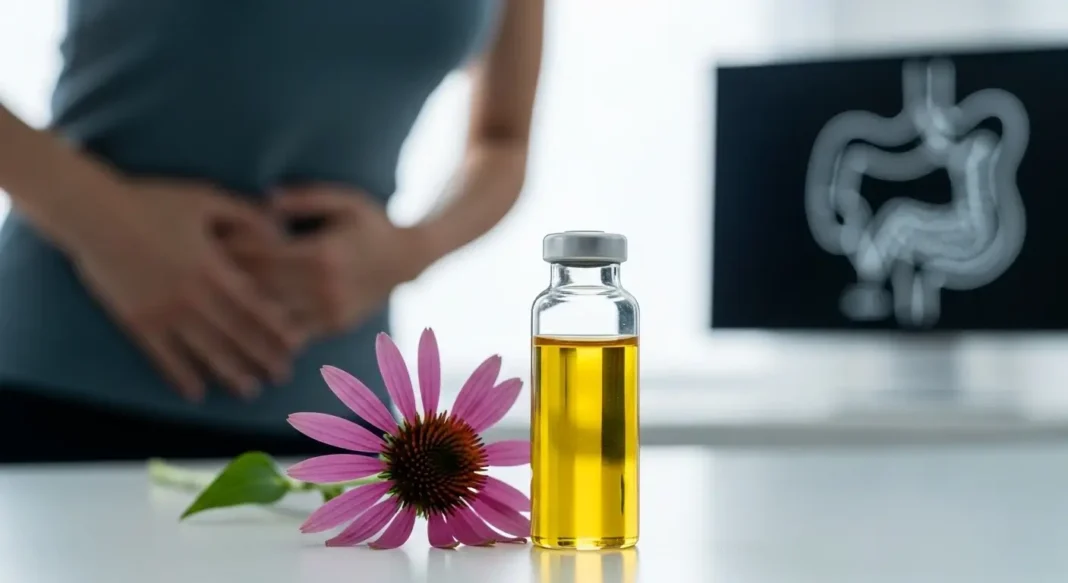


If you’ve ever experienced the burning sensation, constant urge to pee, and general misery of a urinary tract infection, you know how desperate you can feel for relief. While scrolling through natural remedy forums or chatting with friends who swear by herbal treatments, you’ve probably heard whispers about echinacea for UTI. But does this popular purple flower actually work, or is it just another wellness trend?
Let’s dive deep into what science actually says about using echinacea for urinary tract infections—and whether it deserves a spot in your medicine cabinet.
What Exactly Is Echinacea?
Before we get into the UTI stuff, let’s talk about what echinacea actually is. Echinacea is a Native American medicinal plant named for the prickly scales in its large conical seed head, which resembles the spines of an angry hedgehog. Pretty cute origin story, right?
There are actually several species of echinacea, but the three most commonly used in supplements are Echinacea purpurea, Echinacea angustifolia, and Echinacea pallida. The plant has been used for centuries—archaeologists have found evidence that Native Americans may have used it for over 400 years to treat infections and wounds.
Today, echinacea is one of the most popular herbal supplements in the United States, primarily known for its immune-boosting properties. But here’s where things get interesting for anyone dealing with urinary tract infections.
Understanding UTIs: The Basics You Need to Know
Before we explore how echinacea might help, let’s make sure we’re on the same page about what a UTI actually is.
A bladder infection is an illness most often caused by bacteria that enter your bladder and multiply. These infections can affect different parts of your urinary system:
- Cystitis: infection of the bladder
- Urethritis: infection of the urethra
- Pyelonephritis: infection of the kidneys (this is the serious one)
Most UTIs are caused by E. coli bacteria that live harmlessly in your gut but cause havoc when they travel to your urinary tract. Women are way more susceptible than men—about 30 times more likely, actually—because of anatomical differences. The female urethra is shorter, giving bacteria a quick highway to the bladder.
Common symptoms include that annoying burning sensation when you pee, constantly feeling like you need to go (even when you just went!), cloudy or bloody urine, and pelvic discomfort. If you develop fever, chills, or back pain, that’s a sign the infection may have reached your kidneys, and you need medical attention ASAP.
🌟 Ready to Take CONTROL of Your Bladder Health? 💪
How Does Echinacea Work in the Body?
So here’s where echinacea gets interesting. A number of in vitro and animal studies have shown that echinacea appears to increase immunologic activity by increasing levels of interferon and may increase phagocytosis, cellular respiratory activity, and lymphocyte activation through release of tumor necrosis factor, interleukin-1, and interferon beta-2.
Translation? Echinacea seems to fire up your immune system on multiple fronts. It encourages white blood cells to work harder, helps your body produce more infection-fighting chemicals, and may even directly attack certain bacteria and fungi.
For UTIs specifically, this immune-boosting effect is what practitioners are banking on. The theory is that by strengthening your body’s natural defenses, echinacea can help you fight off the bacteria causing the infection—or prevent them from gaining a foothold in the first place.
But (and this is an important but), the active component of the plant has not been identified, commercial echinacea products are not typically standardized to any particular component. This makes research tricky and means not all echinacea supplements are created equal.
The Science: What Research Says About Echinacea for UTI
Let’s get real about the evidence. While echinacea is widely used and recommended by herbalists for urinary tract infections, the scientific research is… well, it’s complicated.
The Promising Studies
One particularly interesting animal study looked at alternatives to antibiotics for UTI treatment. Amoxicillin, uva ursi and echinacea had similar results in the resolution of white blood cells (acute UTIs). That’s pretty significant—it suggests echinacea performed comparably to an antibiotic in treating acute infections in this research model.
Another review noted that echinacea combined with goldenseal actually supercharge the immune system to fight off the urinary tract infection. The combination approach seems to be popular in herbal medicine circles.
The Reality Check
However, only anecdotal evidence supports the use of echinacea for UTI prevention and treatment specifically. Most of the solid research on echinacea has focused on respiratory infections, not urinary tract issues.
Here’s the honest truth: while laboratory studies and some animal research suggest echinacea has antibacterial properties and immune-boosting effects that theoretically could help with UTIs, large-scale human clinical trials specifically examining echinacea for UTI treatment are lacking.
That doesn’t mean it doesn’t work—it just means we need more rigorous research before we can say definitively how effective it is.
How Echinacea Might Help With UTIs
Despite the gaps in research, there are several mechanisms by which echinacea could potentially support urinary tract health:
1. Immune System Activation
Echinacea increases interferon which in turn increases white blood cells, T lymphocyte, macrophages and natural killer cells to work as a natural broad spectrum antimicrobial. This means it can potentially fight bacteria, viruses, and fungi—making it a versatile defender against infections.
2. Antibacterial Properties
Echinacea has been extensively researched over the years and has been found to display well-established anti-infective, antibacterial properties. It doesn’t just boost your immune system; it may directly interfere with bacterial growth.
3. Anti-inflammatory Effects
Echinacea strengthens the immune system and acts as an anti-inflammatory providing immediate relief to the burning sensation that often accompanies a UTI. Anyone who’s dealt with the fire-when-you-pee situation knows this benefit alone would be welcome.
4. Potential to Reduce Antibiotic Use
Here’s something interesting: research shows echinacea can significantly reduce the need for antibiotics in respiratory infections. Echinacea reduced the risk of recurrent infections, complications and the need for antibiotic therapy. While this research focused on respiratory infections, the principle could potentially apply to urinary infections as well.
🔥 Your BLADDER Deserves Better—Start Your Natural Journey! ✨
Combining Echinacea With Other Natural Remedies
Many herbalists don’t recommend using echinacea alone for UTIs. Instead, they often combine it with other herbs for a synergistic effect.
Echinacea + Uva Ursi
The beneficial effects of Uva-ursi on the urinary tract are further enhanced when combined with echinacea, which has immune-supporting and antibacterial properties. Uva ursi (bearberry) contains compounds that are specifically antiseptic to the urinary tract, particularly against E. coli.
This combination makes sense: uva ursi works locally in the urinary tract as an antiseptic, while echinacea provides systemic immune support. It’s like a one-two punch against infection.
Echinacea + Cranberry
You’ve probably heard about cranberry for UTIs—it’s one of the most popular natural remedies. While cranberry helps prevent bacteria from sticking to the bladder wall, echinacea works on boosting your body’s ability to fight off bacteria.
However, there’s one caveat: taking uva ursi together with cranberry is not recommended because the combination will weaken the effect of both. So if you’re mixing and matching remedies, do your homework or consult with a knowledgeable practitioner.
Other Supportive Herbs
Other herbs that are sometimes used alongside echinacea for urinary health include:
- Goldenseal (strong antibacterial properties)
- Marshmallow root (soothes inflamed tissues)
- Dandelion leaf (gentle diuretic)
- Horsetail (traditionally used for urinary issues)
How to Use Echinacea for UTI
If you’re considering trying echinacea for a UTI, here’s what you need to know about using it safely and effectively.
Forms and Dosages
Echinacea comes in various forms:
- Tinctures/Liquid Extracts: Often considered most potent
- Capsules/Tablets: Convenient but check quality
- Tea: Gentler but may be less concentrated
- Topical preparations: Not relevant for UTIs
In order to boost your immune system when you have a cold, flu, or upper respiratory or bladder infections, you can try taking echinacea three times a day until your symptoms improve, for a maximum of 10 days.
Traditional herbalists often recommend higher doses at the first sign of infection, then tapering off. However, it’s important to talk to your doctor before you begin taking echinacea or any other supplement, as they can interact with some of your current medications.
Quality Matters—A Lot
Here’s something that might shock you: A study performed by ConsumerLab.com found that of 11 brands of echinacea purchased for testing, only 4 contained what was stated on their labels. About 10% had no echinacea at all.
Yikes. This is a huge problem in the supplement industry. To protect yourself:
- Buy from reputable brands with third-party testing
- Look for standardized extracts when possible
- Check for certifications (USP, NSF, or ConsumerLab)
- Be wary of products that seem too cheap
Species Differences
Echinacea angustifolia, the premium Echinacea is far more therapeutic than the commonly available over the counter product containing Echinacea purpurea. Different species may have different potencies, so pay attention to what you’re buying.
When Echinacea Isn’t Enough: Recognizing Serious UTIs
Let’s be crystal clear about something: echinacea is not a replacement for medical care when you have a serious infection.
You should see a healthcare provider if:
- Symptoms persist for more than 2-3 days
- You develop fever, chills, or back pain
- You see blood in your urine
- You’re pregnant
- You have recurrent UTIs (more than 2 in 6 months or 3 in a year)
- You have diabetes or immune system issues
- Symptoms get worse despite home treatment
If untreated, a bladder infection can develop into a kidney infection, which is a serious medical condition that can cause permanent kidney damage or even life-threatening sepsis.
Natural remedies can be wonderful for prevention and mild cases, but they’re not a substitute for antibiotics when you have a full-blown infection. Sometimes you just need the big guns, and that’s okay.
Safety, Side Effects, and Precautions
For most people, echinacea is quite safe when used short-term. When taken at regular doses, echinacea causes few side effects. Some people have reported symptoms such as stomach upset, nausea, dizziness, and dry eyes.
Who Shouldn’t Use Echinacea
However, certain people should avoid echinacea or use it only under medical supervision:
- People with autoimmune conditions: Since echinacea stimulates the immune system, it could theoretically worsen autoimmune diseases
- Those with allergies to plants in the daisy family: This includes ragweed, chrysanthemums, and marigolds
- Pregnant or breastfeeding women: Despite concerns that echinacea may be unsafe for pregnant or breastfeeding women, evidence suggests that the use of echinacea during pregnancy does not increase the risk of birth defects or other pregnancy related health problems. More research is needed
Drug Interactions
Echinacea may interact with:
- Immunosuppressants (it could counteract their effects)
- Certain medications metabolized by the liver
- Anesthesia medications
Always tell your healthcare provider about all supplements you’re taking, including echinacea.
Prevention: Using Echinacea to Stop UTIs Before They Start
While the research on echinacea for treating active UTIs is limited, some people use it preventively—especially if they’re prone to recurrent infections.
The logic is sound: by keeping your immune system functioning at peak performance, you may be better equipped to fight off bacteria before they establish an infection. Some herbalists recommend taking echinacea:
- During times of increased UTI risk (like after sex, if that’s a trigger for you)
- At the very first twinge of symptoms
- For short courses (1-2 weeks) periodically if you get frequent UTIs
However, the long-term effects of taking these supplements has not been tested; don’t take echinacea for longer than a few weeks.
Beyond Echinacea: Other Natural UTI Prevention Strategies
While we’re on the topic of natural approaches, here are other evidence-based strategies to prevent UTIs:
Hydration Is Key
In a study of premenopausal women with recurrent UTIs, drinking 1.5 liters more than they usually did decreased UTI occurrence by half. That’s pretty impressive for something as simple as drinking more water!
When you drink plenty of fluids, you flush bacteria out of your urinary system before they can cause problems. Aim for at least 6-8 glasses of water daily—more if you exercise or it’s hot outside.
Smart Bathroom Habits
- Don’t hold your urine when you need to go
- Always pee after sex (this helps flush out bacteria)
- Wipe front to back (this prevents bacteria from the anal area reaching the urethra)
- Avoid irritating feminine products
Birth Control Considerations
Certain types of birth control, particularly diaphragms and spermicides, can increase UTI risk. If you’re prone to infections, talk to your healthcare provider about alternatives.
For Postmenopausal Women
Vaginal estrogen has been proven effective for preventing recurrent UTIs in postmenopausal women. The drop in estrogen after menopause changes the vaginal environment, making infections more likely.
The Antibiotic Resistance Problem: Why Natural Options Matter
Here’s something we need to talk about: The sharp rise in chronic urinary tract infections has been caused by the overprescribing of antibiotics. Hospital admissions for UTIs have increased dramatically worldwide and the costs in treatment have blown out and are unsustainable.
The level of antibiotic resistance in E. coli—the main culprit in UTIs—is rising at an alarming rate worldwide. This means that antibiotics are becoming less effective, and UTIs are getting harder to treat.
This is where natural remedies like echinacea could potentially play a role. If herbs can help prevent infections or support recovery in mild cases, we might be able to reduce our reliance on antibiotics. This doesn’t mean abandoning antibiotics entirely—they’re lifesaving medications when you need them—but using them more judiciously.
Real People, Real Experiences: What Users Say
While anecdotal evidence isn’t scientific proof, it’s worth noting that many people report positive experiences with echinacea for UTIs. Online forums and natural health communities are full of people who swear by echinacea, often combined with other remedies.
Common themes include:
- Taking it at the very first sign of symptoms
- Combining it with cranberry, D-mannose, or other supplements
- Using it preventively during high-risk times
- Finding that it helps mild infections but not severe ones
Of course, for every person who says it worked, there’s probably someone who found it ineffective. That’s the nature of natural remedies—they don’t work the same for everyone, and individual body chemistry plays a big role.
The Bottom Line: Should You Try Echinacea for UTI?
So here’s my honest take after diving deep into the research and the realities of UTI management:
Echinacea shows promise as a supportive therapy for UTIs, particularly for:
- Prevention in people prone to recurrent infections
- Mild cases caught very early
- Supporting immune function alongside other treatments
- Reducing the frequency of infections over time
However, it’s not a magic bullet, and the scientific evidence specifically for UTIs is limited compared to other uses of echinacea.
Best practices if you want to try echinacea:
- Use it at the first sign of symptoms for the best chance of effectiveness
- Choose high-quality products from reputable brands
- Consider combining it with other appropriate herbs (under guidance)
- Don’t use it as a substitute for medical care when you have a serious infection
- Take it for short periods only (not long-term continuous use)
- Talk to your healthcare provider, especially if you take medications or have health conditions
Remember that UTI symptoms shouldn’t be ignored. While natural approaches have their place, so do modern antibiotics when you need them. The goal isn’t to avoid medical care—it’s to support your body’s healing and potentially prevent future infections.
Looking Ahead: The Future of Natural UTI Treatment
The good news is that researchers are paying more attention to natural approaches as antibiotic resistance becomes a bigger problem. Studies on herbs like echinacea, as well as other alternatives like immune-boosting compounds, are ongoing.
In the future, we may see more combination approaches that use both conventional and natural medicine together. Maybe doctors will routinely recommend immune-supporting herbs alongside or between antibiotic courses for people with recurrent UTIs.
For now, echinacea remains a popular option that many people find helpful—even if the science hasn’t fully caught up with traditional use yet.
Final Thoughts
Dealing with UTIs is miserable, whether it’s your first one or your fiftieth. The burning, the urgency, the frustration—it all adds up to a condition that seriously impacts quality of life.
Echinacea for UTI isn’t going to solve every urinary infection problem, but it might be a helpful tool in your arsenal, especially for prevention and mild cases. Combined with plenty of water, good hygiene practices, and smart lifestyle choices, it could help you reduce the frequency of infections and keep your urinary tract healthier overall.
Just remember: natural doesn’t always mean risk-free, and supplements aren’t regulated the same way medications are. Do your research, buy quality products, and work with healthcare providers who respect both conventional and natural approaches.
Your urinary health matters. Whether you choose antibiotics, herbs, or a combination approach, the most important thing is finding what works safely for your body.
💧 Don’t Let UTIs CONTROL Your Life Anymore! 🎯
Disclaimer: This article is for informational purposes only and is not intended as medical advice. Always consult with a qualified healthcare provider before starting any new supplement regimen, especially if you have a medical condition or take medications. UTIs can become serious if left untreated, so seek appropriate medical care when needed.
The information provided on HealthyPa.com is for educational and informational purposes only and is not intended as medical advice. The content on this website, including articles, reviews, and product recommendations, should not be used as a substitute for professional medical advice, diagnosis, or treatment.
Always seek the advice of your physician or other qualified health provider with any questions you may have regarding a medical condition or before starting any new supplement, diet, or exercise program. Never disregard professional medical advice or delay in seeking it because of something you have read on this website.
The statements regarding dietary supplements have not been evaluated by the Food and Drug Administration (FDA). These products are not intended to diagnose, treat, cure, or prevent any disease.
Individual results may vary. The testimonials and experiences shared on this website are individual cases and do not guarantee that you will achieve the same results.
If you are pregnant, nursing, taking medication, or have a medical condition, consult your healthcare provider before using any products reviewed or recommended on this site.
HealthyPa.com and its authors, contributors, and affiliated parties assume no responsibility for any consequences relating directly or indirectly to any action or inaction you take based on the information found on this website.
By using this website, you acknowledge and agree to this disclaimer.
HealthyPa.com is reader-supported. When you buy through links on our site, we may earn an affiliate commission at no additional cost to you. This helps us keep our content free and continue providing valuable health information. We only recommend products we genuinely believe in. Learn more in our full Affiliate Disclosure Policy.