
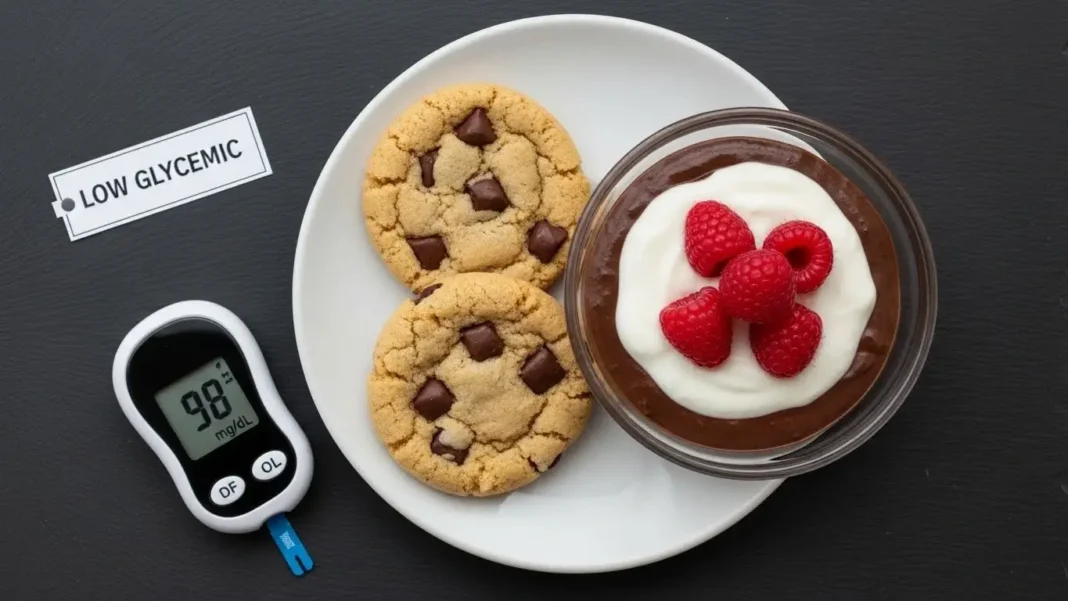


Living with diabetes doesn’t mean saying goodbye to dessert forever. I know that might sound too good to be true—especially if you’ve been told to avoid all sweets—but here’s the reality: with smart choices and a bit of planning, you can absolutely enjoy delicious desserts without sending your blood sugar on a rollercoaster ride.
After years of working with diabetic patients and seeing their faces light up when they realize they don’t have to give up their favorite treats entirely, I’ve learned that the key isn’t deprivation. It’s education. Understanding which desserts work with your body instead of against it makes all the difference in the world.
Understanding Why Traditional Desserts Spike Blood Sugar
Before we dive into the good stuff (literally), let’s talk about why most traditional desserts cause problems for people managing diabetes. When you eat something loaded with refined sugar and white flour, your body breaks it down incredibly fast. Simple sugars are digested more quickly than complex carbohydrates, affecting blood sugar much faster than whole grains or starchy vegetables.
Think of it like this: regular sugar hits your bloodstream like a tidal wave, while complex carbohydrates release glucose slowly and steadily, more like a gentle stream. For someone with diabetes, that tidal wave can be dangerous.
The glycemic index measures exactly how quickly foods raise blood sugar levels. Foods with a high glycemic index cause rapid spikes, while low-GI foods lead to gradual increases that are much easier for your body to manage.
🍰 Sweet NEWS: You CAN Have Dessert! Learn HOW 👇
The Science Behind Diabetes-Friendly Desserts
Research has shown us something fascinating: desserts with low glycemic index and low glycemic load have a positive impact on metabolic parameters in patients with type 2 diabetes. In one study, participants who consumed low-GI desserts experienced significantly lower blood glucose levels at 30, 60, and 90 minutes after eating compared to those who ate conventional desserts.
But what makes a dessert diabetes-friendly? It’s all about the combination of ingredients. The best desserts for diabetics typically include:
- High fiber content that slows sugar absorption
- Healthy fats that provide sustained energy without glucose spikes
- Protein to help stabilize blood sugar
- Low or moderate glycemic index ingredients that won’t cause rapid spikes
- Sugar substitutes or minimal natural sweeteners
According to the American Diabetes Association, you absolutely can enjoy desserts when you have diabetes—you just need to be strategic about it. Desserts should be enjoyed in moderation with adjustments based on portion size and carbohydrate balance.
Best Sugar Substitutes for Diabetic Desserts
Let’s talk sweeteners, because this is where things get really interesting. Not all sugar substitutes are created equal, and understanding your options can open up a whole new world of dessert possibilities.
Natural Zero-Calorie Sweeteners
Stevia and monk fruit are game-changers for diabetic desserts. These sweeteners do not significantly affect blood sugar, making them ideal choices for baking and cooking. They’re derived from plants and provide sweetness without the metabolic impact of regular sugar.
Sugar Alcohols
Erythritol, xylitol, and other sugar alcohols offer another option. Xylitol, specifically, has been studied extensively. Xylitol is produced commercially and used as a main sweetener in low-GI desserts, replacing regular sugar while maintaining sweetness and texture.
However, here’s something important: sugar alcohols can cause digestive upset in some people when consumed in large amounts. Start with small portions to see how your body reacts.
Artificial Sweeteners
Options like aspartame, sucralose, and saccharin have been approved by the FDA and can be useful tools. The American Diabetes Association notes that sugar substitutes are often sweeter than sugar but have fewer calories, requiring only small amounts to sweeten foods and beverages.
Top 10 Best Desserts for Diabetics
Now for what you’ve been waiting for—actual dessert ideas that taste amazing and won’t wreck your blood sugar management!
1. Dark Chocolate (70% Cacao or Higher)
This is my personal favorite, and here’s why: dark chocolate is rich in flavonoids that may help prevent insulin resistance and protect against heart problems for people with type 2 diabetes. A single ounce contains only about 13 grams of carbohydrates and provides satisfying richness that a small amount goes a long way.
Look for chocolate with at least 70% cacao content. The higher the percentage, the less sugar it contains. Pro tip: let a square melt slowly in your mouth to maximize satisfaction with minimal quantity.
2. Greek Yogurt Parfaits
Greek yogurt is a powerhouse dessert base. With 20 grams of protein in each 7-ounce serving, Greek yogurt can be an excellent option for managing blood sugar. Layer plain Greek yogurt with fresh berries, a sprinkle of cinnamon, and a few chopped nuts for crunch.
Some research even suggests that yogurt fortified with vitamin D and probiotics may help improve blood sugar control in people with type 2 diabetes.
3. Berry-Based Desserts
Berries are your best friend when you’re craving something sweet. One cup of mixed berries has 6g of fiber and only 10g of sugar, meaning they shouldn’t significantly impact blood sugars. Their high fiber content slows down sugar absorption, giving you natural sweetness without the spike.
Try making a simple berry compote with fresh or frozen berries, a touch of lemon juice, and stevia to taste. Serve it over Greek yogurt or sugar-free ice cream for an elegant dessert that feels indulgent.
4. Chia Seed Pudding
Chia seeds are magical little powerhouses that transform into pudding when mixed with liquid. They’re loaded with fiber and omega-3 fatty acids, both of which help regulate blood sugar. Mix chia seeds with unsweetened almond milk, vanilla extract, and your preferred sugar substitute. Let it sit overnight, and you’ve got a creamy, satisfying dessert ready to go.
Add cocoa powder for chocolate pudding, or top with fresh fruit for extra nutrition and flavor.
5. Sugar-Free Gelatin Desserts
Sometimes you just want something light and refreshing. Sugar-free gelatin desserts are virtually carb-free and can be dressed up with whipped cream or fresh fruit. They’re particularly great during summer months when you want something cool and sweet without the heaviness.
6. Avocado Chocolate Mousse
Don’t knock it until you try it! Avocados create an incredibly creamy texture while providing healthy fats that help stabilize blood sugar. Blend ripe avocado with cocoa powder, a touch of vanilla, and your sweetener of choice. The result is a rich, decadent mousse that rivals any traditional chocolate dessert.
The healthy fats in avocados also help you feel satisfied longer, reducing the temptation to overindulge.
7. Almond Flour Baked Goods
Swapping regular flour for almond flour in your favorite recipes dramatically reduces the carbohydrate content while adding protein and healthy fats. Almond flour cookies, brownies, and cakes have a wonderfully moist texture and nutty flavor that complements sweet recipes beautifully.
Almond flour adds subtle but rich dimensions of flavor and is suitable for keto-friendly and diabetes-friendly desserts. Start with simple recipes like almond flour chocolate chip cookies or brownies.
8. Angel Food Cake with Fresh Fruit
Angel food cake is naturally lower in fat and carbs than most cakes because it’s made primarily with egg whites. Angel food cake is fat-free, cholesterol-free, and low in sugar and carbs, making it an excellent choice for people with diabetes. Top a modest slice with fresh strawberries or other berries for a classic dessert that won’t derail your blood sugar management.
9. No-Bake Cheesecake Bites
Small portions of full-fat cream cheese actually work well in diabetic desserts because the fat content helps slow sugar absorption. Make mini cheesecake bites using cream cheese, sugar substitute, vanilla, and a nut-based crust. The individual portions make it easy to control serving sizes, and the protein and fat content help stabilize blood sugar.
10. Roasted Cinnamon Apples
When you want something warm and comforting, roasted apples deliver. Apples have a low glycemic index and consuming an apple before eating rice helped reduce blood sugar levels compared to eating rice alone. Core an apple, sprinkle with cinnamon, and microwave for 3-5 minutes. You can add a small amount of chopped nuts and a dollop of Greek yogurt for extra satisfaction.
💡 Transform Your Kitchen: Make THESE Desserts Tonight! ✨🍓
How to Adapt Your Favorite Dessert Recipes
You don’t have to abandon your grandmother’s cookie recipe or your favorite birthday cake. With some strategic substitutions, you can transform almost any traditional dessert into a more diabetes-friendly version.
Flour Swaps
Replace up to one-third of white flour with whole wheat flour, almond flour, or coconut flour. This simple change adds fiber and reduces the glycemic impact. For completely grain-free options, use nut flours or coconut flour exclusively, though you’ll need to adjust liquid ratios as these flours absorb more moisture.
Sugar Reductions
You can typically reduce sugar in baking recipes by 25-50% without dramatically affecting the outcome. When reducing sugar in baking, start by cutting it by about 25%, or enhance perceived sweetness by dusting finished desserts with powdered sugar substitute or adding aromatic spices.
Fat Modifications
Don’t automatically reach for low-fat options. Healthy fats from sources like olive oil, coconut oil, or avocado actually help regulate blood sugar by slowing digestion. However, you can often replace some fat in recipes with unsweetened applesauce or mashed bananas to reduce calories while adding moisture and natural sweetness.
Portion Control Strategies
Sometimes the best modification is simply making smaller portions. Bake cookies in mini sizes, make cupcakes instead of full cakes, or use small ramekins for individual desserts. This built-in portion control helps you enjoy treats without overdoing it.
Understanding Glycemic Load vs. Glycemic Index
Here’s something many people don’t realize: the glycemic index only tells part of the story. The glycemic load takes into account both the quality and quantity of carbohydrates in a serving, giving you a more complete picture of how a food will affect your blood sugar.
Low glycemic index and low glycemic load desserts consumed in a balanced diet have positive impacts on anthropometric and metabolic parameters. This means you need to consider both what you’re eating and how much.
For example, watermelon has a high glycemic index but a low glycemic load because a typical serving doesn’t contain that many carbohydrates. Understanding this distinction helps you make more informed choices about portion sizes.
Timing Your Dessert Consumption
When you eat dessert matters almost as much as what you eat. Having dessert with or right after a meal can help you eat a smaller amount without feeling deprived, because you’re already partially satisfied from your meal.
Additionally, eating dessert immediately after a balanced meal that includes protein, healthy fats, and fiber means all these foods are digested together, slowing the absorption of sugar and reducing the blood glucose spike.
Avoid eating dessert on an empty stomach or as a standalone snack unless it contains significant protein and fat to buffer the sugar absorption.
Store-Bought Diabetic-Friendly Dessert Options
Not everyone has time to bake from scratch, and that’s completely okay. The market for diabetes-friendly desserts has exploded in recent years, giving you plenty of convenient options.
When shopping for prepared desserts, look for these key features:
- Less than 15 grams of carbohydrates per serving
- At least 3 grams of fiber
- No more than 10 grams of added sugar
- Natural sweeteners like stevia or monk fruit
- Whole food ingredients rather than long lists of chemicals
Some excellent store-bought options include sugar-free ice cream brands like Halo Top or Enlightened, protein bars sweetened with erythritol, and dark chocolate bars with 85% cacao or higher.
Always check the nutrition label carefully. “Sugar-free” doesn’t necessarily mean carb-free or diabetes-friendly, as other ingredients may still raise blood sugar.
The Role of Fiber in Diabetes-Friendly Desserts
Fiber is your secret weapon for creating desserts that won’t spike blood sugar. It slows down digestion and sugar absorption, leading to more gradual glucose increases.
Aim for desserts that contain at least 3 grams of fiber per serving. You can boost fiber content by:
- Adding chia seeds or ground flaxseed to recipes
- Using whole grain or nut-based flours
- Incorporating fruit with edible peels
- Including nuts and seeds as toppings or mix-ins
- Adding cocoa powder (which contains fiber)
Studies have consistently shown that higher fiber intake is associated with better blood sugar control and reduced risk of diabetes complications.
Practical Tips for Diabetic Dessert Success
After helping countless people navigate dessert with diabetes, I’ve noticed some common strategies that consistently work well:
Plan Ahead
If you know you want dessert after dinner, adjust your carbohydrate intake during the rest of the meal accordingly. Think of dessert as part of your meal and include estimated dessert carbs in your carbohydrate goal. Save your “carb budget” for the treat you’re really craving.
Keep Portions Reasonable
A little bit of something delicious often satisfies more than a large portion of something mediocre. Use small dessert plates, cut brownies into petite squares, or share a dessert with someone else.
Test and Learn
Everyone’s body responds differently to foods. Use your glucose monitor to check blood sugar before eating dessert and again 1-2 hours afterward. This personal data shows you exactly how different treats affect your blood sugar, allowing you to make informed choices.
Focus on Quality
Choose desserts made with real ingredients that you can pronounce. A small piece of high-quality dark chocolate beats a large serving of artificially sweetened processed cookies any day—both in terms of satisfaction and nutritional value.
Stay Hydrated
Drinking water alongside your dessert helps your body process sugars more efficiently and can help you feel satisfied with less.
Common Mistakes to Avoid
Even with the best intentions, people often stumble in certain areas:
Overestimating “Sugar-Free”
Just because something is labeled sugar-free doesn’t mean it won’t raise your blood sugar. Many sugar-free products still contain flour and other carbohydrates that break down into glucose. Always check total carbohydrate content, not just sugar content.
Eating Dessert in Isolation
Having dessert as a standalone snack without any protein or fat to buffer it almost guarantees a blood sugar spike. Pair your treat with a handful of nuts or some cheese if you’re not eating it right after a meal.
Ignoring Portion Sizes
Even the healthiest diabetes-friendly dessert can cause problems if you eat too much of it. Measure portions, especially when you’re first trying new recipes, to understand what an appropriate serving looks like.
Falling for Marketing Claims
Words like “natural,” “healthy,” and “diabetes-friendly” on packaging don’t guarantee a product is actually good for blood sugar management. Companies use these terms loosely, so always verify with the nutrition facts panel.
The Psychological Aspect of Dessert and Diabetes
Let’s be honest—food is emotional. Desserts are tied to celebrations, comfort, and pleasure. Feeling deprived of dessert can lead to resentment, binge eating, or giving up on diabetes management altogether.
The key is finding balance. Sweet foods aren’t something you have to give up because you have diabetes, they’re something you can enjoy in moderation with the right adjustments. This mindset shift—from restriction to strategic enjoyment—makes a huge difference in long-term success.
When you occasionally want a traditional dessert at a birthday party or holiday gathering, have a small portion and enjoy it without guilt. One dessert won’t ruin your diabetes management. What matters is your overall pattern of eating and your approach to food on a day-to-day basis.
Special Occasion Desserts
Holidays and celebrations can be particularly challenging. You want to participate fully in the festivities without compromising your health. Here are some strategies:
Bring Your Own
Offer to bring dessert to gatherings, and make something diabetes-friendly. This ensures you’ll have at least one option that works for you, and you might be surprised how many other guests appreciate it too.
Sample Strategy
Instead of a full serving of multiple desserts, take small tastes of your favorites. A bite or two often satisfies the craving without the blood sugar impact of full portions.
Pre-Plan Your Indulgence
If you know a special dessert is coming, plan your meals around it. Eat lighter earlier in the day, get some exercise, and adjust your medication if appropriate (always consult your doctor about medication adjustments).
The Bottom Line: You Can Have Your Cake (Sort Of)
The best desserts for diabetics are those that combine smart ingredient choices, appropriate portions, and strategic timing. You don’t have to give up sweetness entirely—you just need to approach it thoughtfully.
Whether you’re making berries with Greek yogurt, baking with almond flour and stevia, or enjoying a small square of quality dark chocolate, plenty of delicious options exist. Experiment with different recipes and sweeteners to find what works best for your taste preferences and blood sugar response.
Remember that managing diabetes is a marathon, not a sprint. Occasional treats enjoyed mindfully are part of a sustainable, long-term approach to health. The goal isn’t perfection—it’s finding a way of eating that keeps your blood sugar in target range while still allowing you to enjoy life’s sweet moments.
With the strategies and recipes outlined here, you’re well-equipped to navigate dessert confidently. Your diabetes diagnosis doesn’t define you, and it certainly doesn’t mean you can never enjoy dessert again. Armed with knowledge and smart choices, you can satisfy your sweet tooth while keeping your health on track.
🎂 STOP Settling for Boring! Delicious Desserts ARE Possible 😋
Disclaimer: This article is for informational purposes only and should not replace advice from your healthcare provider. Always consult with your doctor or certified diabetes educator before making significant changes to your diet, especially regarding carbohydrate intake and portion sizes.
The information provided on HealthyPa.com is for educational and informational purposes only and is not intended as medical advice. The content on this website, including articles, reviews, and product recommendations, should not be used as a substitute for professional medical advice, diagnosis, or treatment.
Always seek the advice of your physician or other qualified health provider with any questions you may have regarding a medical condition or before starting any new supplement, diet, or exercise program. Never disregard professional medical advice or delay in seeking it because of something you have read on this website.
The statements regarding dietary supplements have not been evaluated by the Food and Drug Administration (FDA). These products are not intended to diagnose, treat, cure, or prevent any disease.
Individual results may vary. The testimonials and experiences shared on this website are individual cases and do not guarantee that you will achieve the same results.
If you are pregnant, nursing, taking medication, or have a medical condition, consult your healthcare provider before using any products reviewed or recommended on this site.
HealthyPa.com and its authors, contributors, and affiliated parties assume no responsibility for any consequences relating directly or indirectly to any action or inaction you take based on the information found on this website.
By using this website, you acknowledge and agree to this disclaimer.
HealthyPa.com is reader-supported. When you buy through links on our site, we may earn an affiliate commission at no additional cost to you. This helps us keep our content free and continue providing valuable health information. We only recommend products we genuinely believe in. Learn more in our full Affiliate Disclosure Policy.