
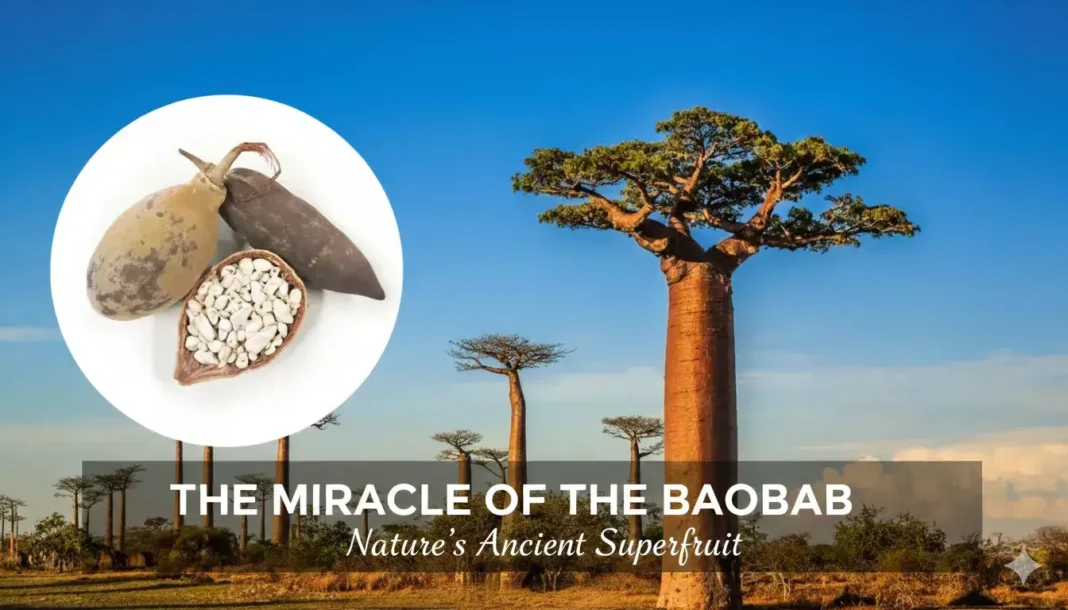


If you haven’t heard of baobab powder yet, you’re not alone. But this African superfruit is quickly gaining attention in health circles—and for good reason. Coming from the ancient “Tree of Life” that has stood in Africa’s savannas for thousands of years, baobab powder packs a nutritional punch that’s hard to ignore.
I’ve spent considerable time researching superfoods and their actual health benefits (not just the hype), and baobab genuinely surprised me. It’s not just another trendy supplement. The science behind it is solid, the benefits are measurable, and honestly, it’s one of those ingredients that makes you wonder why it isn’t already in everyone’s pantry.
Let’s dive into what makes baobab powder so special and how it might transform your health.
What Exactly Is Baobab Powder?
Baobab powder comes from the fruit of the Adansonia digitata tree, which grows wild throughout the African savanna. Unlike most fruits that need processing, baobab naturally dries inside its hard shell, creating a powder that’s already shelf-stable. Local communities have used it for centuries as both food and medicine.
The powder has a unique citrusy, slightly tart flavor that works beautifully in smoothies, yogurt, oatmeal, and even baked goods. But what really sets it apart is its incredible nutrient density.
The Vitamin C Powerhouse That Outshines Oranges
Here’s something that’ll surprise you: baobab powder contains up to 10 times more vitamin C than oranges. One tablespoon provides about 33% of your daily recommended intake.
Why does this matter? Vitamin C plays a crucial role in supporting immune function, helping your body produce white blood cells that fight off infections. It’s not just about preventing the common cold (though that’s nice too). Research published by the National Institutes of Health shows that vitamin C supports various cellular functions of both the innate and adaptive immune system.
Your body can’t produce or store vitamin C, so you need to get it from your diet regularly. Baobab makes this incredibly easy—just a spoonful in your morning smoothie, and you’re well on your way to meeting your daily needs.
Fiber Content That Actually Makes a Difference
If you’ve ever struggled with digestive issues or feeling constantly hungry, baobab’s fiber content might be exactly what you need. With nearly 50% fiber by weight, it’s one of the most fiber-rich foods you can find.
But here’s what makes it special: baobab contains both soluble and insoluble fiber. Soluble fiber helps lower cholesterol and regulate blood sugar, while insoluble fiber keeps your digestive system moving smoothly and prevents constipation.
According to research from the Mayo Clinic, most Americans don’t get nearly enough fiber. The recommended daily intake is 25 grams for women and 38 grams for men, but the average person consumes only about 15 grams. Two tablespoons of baobab powder provides about 10 grams of fiber—that’s a significant boost toward your daily goal.
How Baobab Supports Your Gut Microbiome
Recent studies have shown something fascinating: baobab acts as a prebiotic, feeding the beneficial bacteria in your gut. It specifically increases populations of healthy bacteria like Lactobacilli and Bifidobacteria.
Why should you care? Your gut microbiome affects everything from your mood and sleep quality to your immune system and weight management. A healthy gut isn’t just about avoiding stomach issues—it’s foundational to your overall wellbeing.
Research published in scientific journals has demonstrated that baobab consumption increases the production of short-chain fatty acids (SCFAs) like acetate, propionate, and butyrate. These compounds have anti-inflammatory, cardiovascular protective, and even neuroprotective properties.
Blood Sugar Regulation Without the Pharmaceutical Side Effects
This is where baobab gets really interesting. Multiple studies have examined its effects on blood sugar levels, and the results are promising.
The soluble fiber in baobab slows down the release of sugars into your bloodstream, preventing those energy-sapping spikes and crashes. A study published in the National Library of Medicine found that baobab supplementation helped reduce post-meal blood sugar responses in healthy adults.
For anyone concerned about preventing type 2 diabetes or managing prediabetes, baobab offers a natural, food-based approach. The CDC notes that over 98 million American adults have prediabetes, and simple dietary changes can reduce the risk of developing type 2 diabetes by up to 58%.
Animal studies have shown even more dramatic effects. Research on diabetic rats demonstrated that baobab extract significantly lowered blood glucose levels compared to control groups. While human studies are still ongoing, the preliminary evidence is encouraging.
Antioxidant Protection Against Cellular Damage
If you’ve heard about antioxidants but aren’t quite sure what they do, here’s the simple version: antioxidants protect your cells from oxidative stress, which is linked to aging and chronic diseases like heart disease, cancer, and Alzheimer’s.
Baobab is loaded with polyphenols—powerful antioxidants that give it six times more antioxidant activity than berries. These compounds don’t just float around doing nothing. They actively neutralize free radicals, reduce inflammation, and protect your DNA from damage.
The National Institutes of Health has documented extensively how oxidative stress contributes to numerous pathological conditions. Having a diet rich in antioxidants is one of the most effective ways to combat this.
Skin Health Benefits You Can Actually See
Here’s something that might get your attention: the vitamin C in baobab doesn’t just boost your immune system—it’s essential for collagen production and skin health.
Collagen is the protein that keeps your skin firm, elastic, and youthful-looking. After age 25, your body’s natural collagen production starts declining by about 1% per year. Vitamin C is required for collagen synthesis, so ensuring adequate intake becomes increasingly important as you age.
Multiple randomized controlled trials have shown that vitamin C supplementation improves skin hydration, elasticity, and reduces wrinkle formation. While baobab isn’t a miracle anti-aging cure (nothing is), its high vitamin C content combined with antioxidants makes it a valuable addition to any skin health regimen.
The polyphenols in baobab also protect your skin from UV damage and oxidative stress—think of it as adding an extra layer of protection from the inside out.
Iron Absorption Enhancement for Better Energy
Feeling tired all the time? You might be one of the millions of people with low iron levels. Iron deficiency is the most common nutritional deficiency worldwide, particularly affecting women of childbearing age.
Here’s where baobab becomes really useful: vitamin C significantly enhances iron absorption from plant-based foods. If you’re eating iron-rich foods like spinach, lentils, or fortified cereals, consuming them with baobab can help your body absorb more of that iron.
Research published by Cleveland Clinic Health Essentials explains that vitamin C helps convert iron into a form that’s more easily absorbed in your intestines. This is especially important for vegetarians, vegans, or anyone who relies primarily on plant-based iron sources.
Weight Management Support (Not a Magic Bullet)
Let’s be clear: baobab powder isn’t a weight loss miracle. But it does have properties that support healthy weight management when combined with a balanced diet and regular exercise.
The high fiber content promotes feelings of fullness, which can help reduce overall calorie intake. Studies have shown that baobab consumption increases satiety hormones and decreases hunger hormones, making it easier to avoid unnecessary snacking.
Additionally, baobab’s positive effects on gut health may play a role in weight management. Research has linked an unhealthy gut microbiome to obesity and difficulty losing weight. By supporting beneficial gut bacteria, baobab may help normalize metabolic function.
Inflammation Reduction Throughout Your Body
Chronic inflammation is like a slow-burning fire in your body, contributing to everything from arthritis and heart disease to depression and diabetes. Reducing inflammation is crucial for long-term health.
Baobab’s polyphenols and vitamin C work together to reduce inflammatory markers in the body. Scientific studies have demonstrated anti-inflammatory properties in both laboratory and animal models, with research showing reduced inflammatory responses in tissue samples treated with baobab extracts.
While we need more large-scale human trials, the existing evidence suggests that regular baobab consumption could contribute to lower levels of systemic inflammation, potentially reducing the risk of chronic diseases.
Bone and Dental Health Benefits
Here’s something that doesn’t get talked about enough: baobab has possibly the highest calcium content of any plant food—providing about twice the calcium of milk per serving.
Calcium isn’t just about bones and teeth (though that’s obviously important). It also plays roles in muscle function, nerve signaling, cardiovascular health, and maintaining your skin’s barrier integrity.
Baobab also provides significant amounts of magnesium, which works alongside calcium for proper bone mineralization. Many people focus solely on calcium intake without realizing that magnesium deficiency can actually impair calcium utilization.
Potassium for Heart Health and Blood Pressure
Baobab contains approximately four times more potassium than bananas—a nutrient most Americans don’t get enough of. Potassium is essential for regulating heartbeat, maintaining healthy blood pressure, and supporting proper muscle and kidney function.
Research has consistently shown that higher potassium intake is associated with lower blood pressure and reduced risk of stroke. The American Heart Association recommends increasing potassium intake as part of a heart-healthy diet.
Every cell in your body needs potassium to function properly. It works in tandem with sodium to maintain fluid balance, but modern diets tend to be too high in sodium and too low in potassium. Baobab helps correct this imbalance naturally.
How to Actually Use Baobab Powder
The beauty of baobab powder is its versatility. Unlike some supplements that taste terrible or require complicated preparations, baobab is easy to incorporate into your daily routine:
Morning Smoothies: Add 1-2 tablespoons to your favorite smoothie recipe. The citrus flavor pairs well with berries, bananas, and tropical fruits.
Yogurt or Oatmeal: Stir it into yogurt, overnight oats, or your morning porridge for an instant nutritional boost.
Baked Goods: Replace a small portion of flour in muffins, pancakes, or energy bars with baobab powder (start with about 10% substitution).
Homemade Energy Balls: Mix baobab powder with dates, nuts, and coconut to create nutrient-dense snacks.
Salad Dressings: The tangy flavor works surprisingly well in vinaigrettes and dressings.
Water or Juice: Simply stir it into water, juice, or herbal tea for a quick vitamin C boost.
Start with one tablespoon per day and gradually increase to two tablespoons as your body adjusts to the increased fiber intake. Some people experience mild digestive changes when first adding high-fiber foods, but these typically resolve within a few days.
Potential Side Effects and Precautions
Baobab is generally recognized as safe by the FDA when consumed as food. However, there are a few things to keep in mind:
Fiber Sensitivity: Because of its extremely high fiber content, start with small amounts if you’re not used to eating fiber-rich foods. Sudden increases in fiber intake can cause bloating, gas, or stomach discomfort.
Blood Sugar Effects: If you’re taking medication for diabetes, monitor your blood sugar levels when adding baobab to your diet, as it may enhance the effects of blood sugar-lowering medications.
Antinutrients: Like many plant foods, baobab contains compounds like phytates and tannins that can reduce mineral absorption. However, the amounts are low enough that they’re unlikely to cause problems for most people eating a varied diet.
Pregnancy and Breastfeeding: While baobab has been consumed safely for centuries, there isn’t extensive research on its use during pregnancy or breastfeeding. If you’re pregnant or nursing, consult your healthcare provider before adding new supplements to your routine.
Medication Interactions: If you’re on any prescription medications, particularly for blood pressure or diabetes, talk to your doctor before significantly increasing baobab consumption.
The vitamin C in baobab is generally safe even at high doses, though consuming more than 2,000mg per day can cause diarrhea and stomach upset in some people. You’d need to consume an unrealistic amount of baobab powder to reach that threshold.
What the Research Really Shows
It’s important to separate the hype from reality. While baobab shows tremendous promise, most human studies have been relatively small. We need larger, longer-term trials to fully understand all its potential benefits and optimal dosing strategies.
That said, the existing research is encouraging. Studies have demonstrated:
- Significant increases in beneficial gut bacteria populations
- Reduced post-meal blood sugar responses in healthy adults
- Improved markers of inflammation in animal models
- Enhanced iron absorption when consumed with iron-rich foods
- Antioxidant activity comparable to or exceeding other superfruits
The traditional use of baobab across Africa for centuries also speaks to its safety and effectiveness, even if we’re still working to understand all the mechanisms through which it works.
Sourcing and Quality Considerations
Not all baobab powder is created equal. Here’s what to look for:
Organic Certification: Choose organic baobab to ensure it’s free from pesticides and grown sustainably.
Pure Powder: Avoid products with added sugars, fillers, or other ingredients. The ingredient list should simply say “baobab fruit powder.”
Sustainable Sourcing: Look for companies that support fair trade practices and sustainable harvesting. Baobab fruits are hand-harvested from wild trees, and ethical sourcing helps support African communities.
Color and Texture: Quality baobab powder should be light beige to off-white in color with a fine, powdery texture. It should smell slightly sweet and citrusy.
Packaging: Store baobab powder in an airtight container away from direct sunlight. It has a long shelf life (up to 2 years) when stored properly.
The Bottom Line: Is Baobab Worth It?
After reviewing the research and considering both the benefits and limitations, I believe baobab powder is absolutely worth incorporating into your diet—with appropriate expectations.
It’s not a magic cure-all, and you shouldn’t stop taking prescribed medications or abandon a healthy lifestyle in favor of a superfood supplement. But as part of a balanced, nutrient-rich diet, baobab offers genuine benefits backed by scientific research.
The combination of extremely high vitamin C content, exceptional fiber levels, powerful antioxidants, and essential minerals makes it a nutritional powerhouse that’s hard to match with any single food. The fact that it’s minimally processed, naturally shelf-stable, and has been safely consumed for thousands of years is an added bonus.
For me, the most compelling aspects are its effects on gut health and blood sugar regulation—two areas where many people struggle and where dietary interventions can make a real difference. The immune support and antioxidant protection are valuable too, especially during cold and flu season or times of high stress.
If you’re looking to boost your nutritional intake, support digestive health, or simply add more variety to your diet, baobab powder is worth trying. Start with one tablespoon per day, pay attention to how your body responds, and adjust accordingly.
The research will continue to evolve, and we’ll undoubtedly learn more about baobab’s potential in the coming years. But based on what we know now, this ancient African superfruit deserves its growing reputation as a modern health powerhouse.
The information provided on HealthyPa.com is for educational and informational purposes only and is not intended as medical advice. The content on this website, including articles, reviews, and product recommendations, should not be used as a substitute for professional medical advice, diagnosis, or treatment.
Always seek the advice of your physician or other qualified health provider with any questions you may have regarding a medical condition or before starting any new supplement, diet, or exercise program. Never disregard professional medical advice or delay in seeking it because of something you have read on this website.
The statements regarding dietary supplements have not been evaluated by the Food and Drug Administration (FDA). These products are not intended to diagnose, treat, cure, or prevent any disease.
Individual results may vary. The testimonials and experiences shared on this website are individual cases and do not guarantee that you will achieve the same results.
If you are pregnant, nursing, taking medication, or have a medical condition, consult your healthcare provider before using any products reviewed or recommended on this site.
HealthyPa.com and its authors, contributors, and affiliated parties assume no responsibility for any consequences relating directly or indirectly to any action or inaction you take based on the information found on this website.
By using this website, you acknowledge and agree to this disclaimer.
HealthyPa.com is reader-supported. When you buy through links on our site, we may earn an affiliate commission at no additional cost to you. This helps us keep our content free and continue providing valuable health information. We only recommend products we genuinely believe in. Learn more in our full Affiliate Disclosure Policy.
This is very informative.
I did not know that the high soluble fiber content acts as a prebiotic to improve gut health and can stabilize blood sugar levels. Excellent information.