
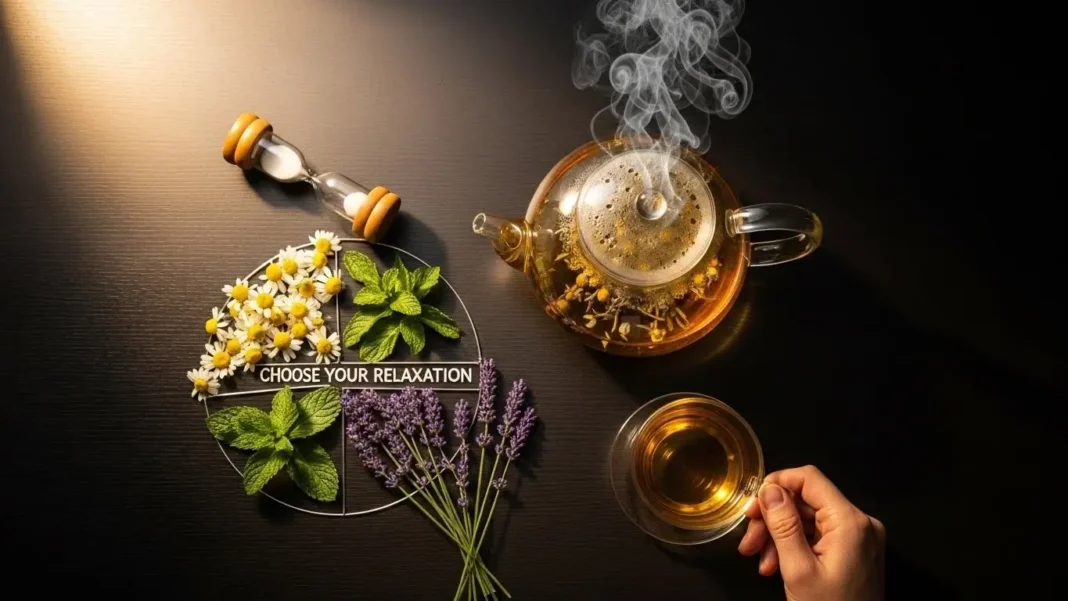


There’s something almost magical about wrapping your hands around a warm cup of tea after a long, stressful day. I’ll admit it—I used to roll my eyes at the whole “tea solves everything” mentality. But after years of working in high-pressure environments and feeling that constant buzz of anxiety, I’ve genuinely come to appreciate how the right tea can shift your entire mood. It’s not some mystical cure-all, but science backs up what tea lovers have known for centuries: certain teas really can help you relax.
In today’s world, where stress affects about 70% of American adults daily, finding natural ways to unwind isn’t just nice—it’s necessary. The beauty of tea is that it’s accessible, affordable, and actually enjoyable. Unlike popping pills or forcing yourself through complicated meditation routines (though those have their place too), brewing a cup of tea is simple. And honestly? Sometimes the ritual itself is half the therapy.
Understanding How Tea Actually Helps You Relax
Before we dive into specific varieties, let’s talk about what’s actually happening when you drink relaxation-promoting teas. It’s not just the placebo effect, though that warm-fuzzy feeling you get definitely helps.
Different teas contain various compounds that interact with your nervous system in measurably beneficial ways. Some contain L-theanine, an amino acid that promotes relaxation without drowsiness. Others have compounds that bind to receptors in your brain associated with stress reduction. And then there’s the simple act of brewing and sipping tea itself—a mindfulness practice disguised as an everyday habit.
Research from institutions like the National Institutes of Health has demonstrated that certain herbal teas can genuinely reduce anxiety symptoms. We’re not talking about marginal differences here; some studies show reductions in anxiety scores by 30% or more. That’s actually pretty impressive for something you can buy at your local grocery store.
Chamomile Tea: The Classic Relaxation Champion
Let’s start with the obvious one. Chamomile has been synonymous with relaxation for so long that it’s almost cliché. But you know what? Clichés exist for a reason.
A systematic review analyzing ten clinical studies found that nine concluded chamomile effectively reduces anxiety. That’s a pretty solid track record. The active compound, apigenin, appears to work on the same brain receptors that anti-anxiety medications target, but without the side effects.
What I love about chamomile is its approachability. The flavor is mild, slightly sweet, and floral without being overwhelming. If you’re new to herbal teas, this is your gateway. My personal recommendation? Brew it strong (about 5-7 minutes with boiling water), and add a spoonful of honey. The combination is naturally soothing, and honey itself has calming properties.
Clinical trials have shown that continued chamomile use significantly improves generalized anxiety disorder symptoms and psychological well-being. We’re talking about real, measurable improvements in people’s daily lives. One study even found modest reductions in blood pressure and weight among long-term chamomile users—unexpected bonuses!
How to brew it right: Use 1-2 tablespoons of dried chamomile flowers (or 1 tea bag) per cup. Pour boiling water over it and steep for 5-7 minutes. The longer you steep, the more pronounced the relaxing compounds become. Don’t rush it.
Green Tea: Relaxed Alertness in a Cup
Here’s where things get interesting. Green tea contains caffeine, which seems counterintuitive for relaxation. But it also contains high levels of L-theanine, and that combination creates what tea enthusiasts call “calm focus” or “relaxed alertness.”
Research suggests that 200-400 mg per day of L-theanine may help reduce stress and anxiety in people exposed to stressful conditions. The fascinating thing about L-theanine is that it doesn’t make you drowsy—it just takes the edge off. Studies show that L-theanine administered to subjects reached the brain within 30 minutes and generated alpha waves associated with relaxation.
I drink green tea in the mornings when I need to be productive but don’t want that jittery, anxious feeling that coffee sometimes gives me. It’s become my go-to for deadline days. The caffeine and L-theanine combination creates a state where you’re alert but not wired, focused but not tense.
Pro tip: Don’t brew green tea with boiling water—it makes it bitter. Heat your water to about 175°F (80°C) and steep for 2-3 minutes. This preserves the delicate flavor and maintains the beneficial compounds.
Lavender Tea: The Aromatic Stress-Buster
Lavender tea might be the most underrated relaxation tea out there. People know lavender essential oils and sachets, but the tea? That’s where the magic really happens.
A clinical trial with elderly participants found that consuming lavender herbal tea twice daily for two weeks significantly reduced depression and anxiety scores. The researchers noted it was inexpensive, accessible, and worth recommending as a complementary treatment. Studies show lavender inhalation can significantly reduce anxiety levels, with effects on both state and trait anxiety.
The taste takes some getting used to—it’s distinctly floral, almost perfume-like. But once you acquire the taste, it becomes incredibly soothing. I find that lavender tea works best about an hour before bed. It signals to my brain that we’re winding down for the night.
One important note: Lavender compounds work by mimicking neurotransmitters, helping decrease stress levels and reduce anxiety by inhibiting GABA receptors. This is why it’s so effective—it’s working on the same pathways your brain uses to naturally calm itself.
Brewing lavender: Use about 1 teaspoon of dried lavender buds per cup. Steep in boiling water for 5-10 minutes. Some people like to blend it with chamomile for a double-relaxation punch that’s a bit less intensely floral.
Peppermint Tea: The Refreshing Relaxer
Peppermint tea might not be the first thing you think of for relaxation, but hear me out. While it doesn’t have the sedative properties of chamomile or lavender, it works differently—by reducing physical tension.
The menthol in peppermint naturally relaxes muscles, including those in your digestive tract. If stress manifests as stomach problems for you (and it does for many people), peppermint tea can be genuinely helpful. It’s like a mini-massage for your insides.
I keep peppermint tea bags in my desk drawer. When I feel that tightness in my shoulders and that churning in my stomach that comes with deadline pressure, peppermint helps. The aroma alone—that cool, clean scent—somehow makes everything feel more manageable.
The beauty of peppermint: It’s naturally caffeine-free, so you can drink it any time without worrying about it interfering with sleep. Plus, it tastes good enough that you don’t need to add sweetener, making it a great choice if you’re watching your sugar intake.
Lemon Balm Tea: The Forgotten Gem
Lemon balm (Melissa officinalis) is part of the mint family, but it has a distinctly lemony, slightly sweet flavor. It’s been used for centuries to reduce anxiety and improve sleep, but it doesn’t get nearly the attention it deserves.
The research on lemon balm is actually quite promising. Studies suggest it can reduce anxiety symptoms, improve mood, and enhance cognitive performance. It contains compounds that increase GABA levels in the brain—similar to how pharmaceutical anxiety medications work, but gentler.
What makes lemon balm special is its versatility. It’s pleasant enough to drink on its own, but it also blends beautifully with other herbs. I often mix it with chamomile for bedtime or with green tea for daytime relaxation.
Finding lemon balm: It’s less common in regular grocery stores, but health food stores and online retailers carry it. If you have a garden, it’s incredibly easy to grow—almost too easy. It spreads like crazy, but having fresh lemon balm to pick is worth the aggressive gardening.
Passionflower Tea: The Sleep Enhancer
Passionflower tea is your friend if anxiety keeps you awake at night. This herb has been used traditionally as a sedative, and modern research backs it up.
The compounds in passionflower appear to increase GABA in the brain, which helps quiet mental chatter and promotes relaxation. It’s particularly effective when combined with other calming herbs like valerian or chamomile.
Fair warning: passionflower has a slightly earthy, grassy taste that isn’t everyone’s favorite. But if getting quality sleep is your goal, it’s worth trying. I drink it about 30 minutes before bed on nights when my mind won’t stop racing.
Safety note: Passionflower is generally safe for most people, but if you’re pregnant, nursing, or taking sedative medications, check with your healthcare provider first.
Valerian Root Tea: When You Need the Heavy Hitter
Let’s be honest—valerian root tea smells weird. Kind of like dirty socks mixed with earth. The taste? Well, it’s an acquired one. But if you struggle with serious sleep issues or severe anxiety, valerian might be worth getting past the smell.
Valerian root is one of the most studied herbal remedies for anxiety and sleep disorders. It works by increasing GABA levels in your brain, similar to prescription sleep aids but without the dependency risk or morning grogginess.
I only break out the valerian during particularly stressful periods—like when I’m traveling across time zones or dealing with major life changes. It’s potent stuff. Some people find it makes them drowsy within 30 minutes; others need to take it consistently for a couple of weeks before noticing effects.
Making it palatable: Blend valerian with peppermint or chamomile to mask the flavor. Add honey. Honestly, holding your nose while drinking works too. The effects are worth the momentary unpleasantness.
Rooibos Tea: The All-Day Option
Rooibos (pronounced “ROY-boss”) comes from South Africa and technically isn’t a tea at all—it’s an herbal infusion. But who cares about technicalities when it tastes good and helps you relax?
The beautiful thing about rooibos is that it’s naturally caffeine-free, loaded with antioxidants, and has a pleasant, slightly sweet, earthy flavor. It doesn’t have specific sedative compounds like valerian or chamomile, but the ritual of drinking it—and the warmth—provides comfort.
I’ve replaced my afternoon coffee with rooibos. It gives me something to sip without interfering with my sleep later. Plus, the antioxidants support overall health, which helps you handle stress better in general.
Bonus tip: Rooibos takes well to flavoring. You can find vanilla rooibos, chai rooibos, chocolate rooibos—all sorts of variations that make healthy habits feel like treats.
Matcha: The Meditative Choice
Matcha is ground green tea powder, and it deserves its own mention because the L-theanine content is significantly higher than regular green tea. That’s because you’re consuming the whole leaf, not just an infusion.
Matcha is particularly high in L-theanine due to the shaded growing process, which creates a calm, meditative state when combined with caffeine. The Japanese tea ceremony centers around matcha for a reason—there’s something inherently calming about the preparation ritual.
Yes, matcha contains caffeine, so it’s not ideal right before bed. But for managing daytime stress while staying productive, it’s perfect. That “relaxed alertness” is real. I’ve had some of my most focused, creative work sessions after drinking matcha.
Getting started: Quality matters with matcha. Cheap matcha tastes bitter and awful. Invest in ceremonial grade if you plan to drink it straight, or culinary grade if you’re making lattes. Whisk it properly—it makes a difference in both taste and experience.
Creating Your Perfect Tea Ritual for Maximum Relaxation
Here’s the thing about tea and relaxation: it’s not just about the compounds in the cup. The ritual matters too. In our always-on, multitasking culture, forcing yourself to pause for five minutes to brew and drink tea is almost radical.
Make it intentional. Put your phone in another room. Don’t try to answer emails while drinking your tea. Just… sit. Breathe. Notice the steam rising, the aroma, the warmth of the cup. This is stress management in action.
I’ve found that having different teas for different needs works well. Morning green tea for focus, afternoon rooibos for a gentle pick-me-up, evening chamomile or lavender for winding down. Your routine will look different—and that’s fine. The important thing is creating one that works for you.
Brewing Tips for Maximum Benefits
The way you prepare your tea actually affects its relaxing properties. Here’s what I’ve learned through trial and error:
Water temperature matters. Delicate teas like green tea need cooler water (around 175°F) to preserve their beneficial compounds and avoid bitterness. Herbal teas can handle boiling water and often benefit from it.
Steeping time is crucial. Most herbal relaxation teas need at least 5-7 minutes to fully extract their calming compounds. Don’t rush it. Use a timer if you tend to forget and come back to cold, over-steeped tea (guilty).
Quality counts. Loose leaf teas generally contain more beneficial compounds than tea bags, though good tea bags work fine. Buy from reputable sources, and check that herbal teas smell fresh and vibrant, not stale or musty.
Fresh is best. Tea doesn’t last forever. Buy in smaller quantities and store in airtight containers away from light and heat. Old tea won’t hurt you, but it loses potency and flavor.
Combining Teas for Enhanced Effects
Don’t feel limited to drinking one type of tea at a time. Many of the most effective relaxation blends combine multiple herbs. Some of my favorites:
- Chamomile + lavender: Double the relaxation power, and the lavender adds complexity to chamomile’s gentle flavor
- Peppermint + chamomile: The cooling peppermint balances chamomile’s warmth beautifully
- Green tea + lemon balm: Calm focus plus mood enhancement
- Passionflower + valerian + chamomile: The ultimate sleep blend (seriously potent)
Experiment with ratios to find what you like. Start with equal parts and adjust from there.
When Tea Alone Isn’t Enough
I want to be clear about something: tea is wonderful for managing everyday stress and promoting relaxation, but it’s not a substitute for professional help when you need it. If you’re experiencing severe anxiety, depression, or sleep disorders that significantly impact your daily life, please talk to a healthcare provider.
Tea can be part of a comprehensive approach to mental wellbeing, but it works best alongside other healthy habits—regular exercise, adequate sleep, social connection, and professional support when needed.
Think of relaxation tea as a tool in your wellness toolkit, not the entire toolbox. It’s accessible, enjoyable, and research-supported, which makes it a great starting point or supplement to other strategies.
My Personal Evening Tea Routine
Since I’ve been talking about tea scientifically, let me get personal for a moment. Here’s what my evening wind-down actually looks like:
Around 8 PM, I put the kettle on. While the water heats, I wash my face and change into comfortable clothes. Once the kettle clicks off, I brew chamomile with a bit of dried lavender (roughly 3:1 ratio) in my favorite oversized mug.
I carry the tea to my reading chair—not the couch where I work during the day, not the bed where I sleep, but a specific spot that’s just for relaxing. I read fiction (never work-related material) or listen to a podcast while sipping slowly. The whole ritual takes maybe 30 minutes, but the impact on my sleep quality and overall stress levels has been significant.
Some nights I skip it. Life happens. But on nights when I follow through, I sleep better and wake up feeling more refreshed. The consistency matters more than perfection.
The Bottom Line on Tea for Relaxation
After trying what feels like hundreds of tea varieties over the years, here’s what I’ve concluded: the “best” tea for daily relaxation is the one you’ll actually drink consistently.
If that’s plain chamomile from the grocery store, perfect. If it’s an elaborate blend you order online, also perfect. The health benefits are real, the science is solid, and the ritual itself provides value beyond the compounds in the cup.
Start with what’s accessible and affordable. Chamomile, peppermint, and green tea are available everywhere and provide genuine relaxation benefits. As you develop your practice, explore more specialized options like lavender, lemon balm, or valerian.
Pay attention to how different teas affect you personally. We all have unique biochemistry. What helps your friend sleep might keep you awake. What calms your partner might do nothing for you. Give each tea a fair trial—at least a week of consistent use—before deciding it’s not working.
Your Next Steps
If you’re new to using tea for relaxation, here’s my suggested progression:
- Start with chamomile. Drink a cup about an hour before bed for a week. Notice how you feel.
- Add green tea to your morning routine for calm focus during the day. Give it another week.
- Experiment with one new variety each week—lavender, peppermint, lemon balm. Keep notes on what you like.
- Develop your personal ritual. Figure out your timing, your favorite mug, your preferred spot for drinking tea mindfully.
- Be consistent. The benefits compound over time. This isn’t a one-and-done solution.
Remember that managing stress and finding daily relaxation is a ongoing practice, not a destination. Some days will be easier than others. Tea won’t solve all your problems, but it can make the journey more pleasant—and that’s worth something.
The warmth, the ritual, the proven compounds that actually help your nervous system calm down—it all adds up. In a world that constantly demands more, faster, better, taking fifteen minutes to brew and enjoy a cup of tea is an act of self-care that science supports and your body will thank you for.
So put the kettle on. Choose your favorite calming blend. And give yourself permission to simply sit and sip. Your nervous system—and your future self—will appreciate it.
The information provided on HealthyPa.com is for educational and informational purposes only and is not intended as medical advice. The content on this website, including articles, reviews, and product recommendations, should not be used as a substitute for professional medical advice, diagnosis, or treatment.
Always seek the advice of your physician or other qualified health provider with any questions you may have regarding a medical condition or before starting any new supplement, diet, or exercise program. Never disregard professional medical advice or delay in seeking it because of something you have read on this website.
The statements regarding dietary supplements have not been evaluated by the Food and Drug Administration (FDA). These products are not intended to diagnose, treat, cure, or prevent any disease.
Individual results may vary. The testimonials and experiences shared on this website are individual cases and do not guarantee that you will achieve the same results.
If you are pregnant, nursing, taking medication, or have a medical condition, consult your healthcare provider before using any products reviewed or recommended on this site.
HealthyPa.com and its authors, contributors, and affiliated parties assume no responsibility for any consequences relating directly or indirectly to any action or inaction you take based on the information found on this website.
By using this website, you acknowledge and agree to this disclaimer.
HealthyPa.com is reader-supported. When you buy through links on our site, we may earn an affiliate commission at no additional cost to you. This helps us keep our content free and continue providing valuable health information. We only recommend products we genuinely believe in. Learn more in our full Affiliate Disclosure Policy.
Very Good information!! Keep it up.
Great point about matcha being higher in L-theanine because you’re consuming the whole leaf — that’s something most people overlook. I also like the mention of the calm focus effect, especially compared to the jittery feeling you can get from coffee. The link to the Japanese tea ceremony adds a nice layer of context too. It might be even stronger if you briefly highlight the practical benefit for everyday use, like improved focus or sustained energy without crashes.