


Is Feeling Sleepy After Eating a Sign of Diabetes?
You know that feeling—you’ve just finished a satisfying lunch, and suddenly you’re fighting the urge to curl up under your desk for a nap. Your eyelids feel heavy, your focus drifts, and all you can think about is how good a quick snooze would feel. We’ve all been there. But when does this common afternoon slump cross the line from normal to something worth investigating?
If you’ve been wondering whether your post-meal drowsiness might be connected to diabetes, you’re not alone. It’s a question that pops up frequently in doctors’ offices and online health forums. The short answer? Yes, feeling excessively sleepy after eating can be a sign of diabetes, but it’s certainly not the only explanation. Let’s dig into what’s really happening in your body when that food coma hits, and when you should actually be concerned.
Understanding Post-Meal Sleepiness: What’s Normal?
First things first—feeling a bit tired after eating is actually a normal physiological response. When you eat, your body redirects blood flow to your digestive system to help break down and absorb nutrients. This process requires energy and can naturally make you feel somewhat relaxed or slightly drowsy.
Several hormonal changes also occur after meals. Your body releases insulin to help manage blood sugar levels, and certain foods trigger the production of serotonin and melatonin—hormones that can promote feelings of calm and sleepiness. This is especially true if you’ve eaten a large meal or one that’s high in carbohydrates.
Think about Thanksgiving dinner. That overwhelming urge to nap after turkey and mashed potatoes isn’t just in your head—it’s your body responding to a combination of overeating, carbohydrate intake, and yes, that tryptophan everyone talks about (though its role is often overstated).
The key difference between normal post-meal tiredness and something potentially concerning is the intensity and consistency of the sleepiness. Feeling a little relaxed is one thing. Struggling to keep your eyes open or experiencing this pattern after every single meal? That deserves a closer look.
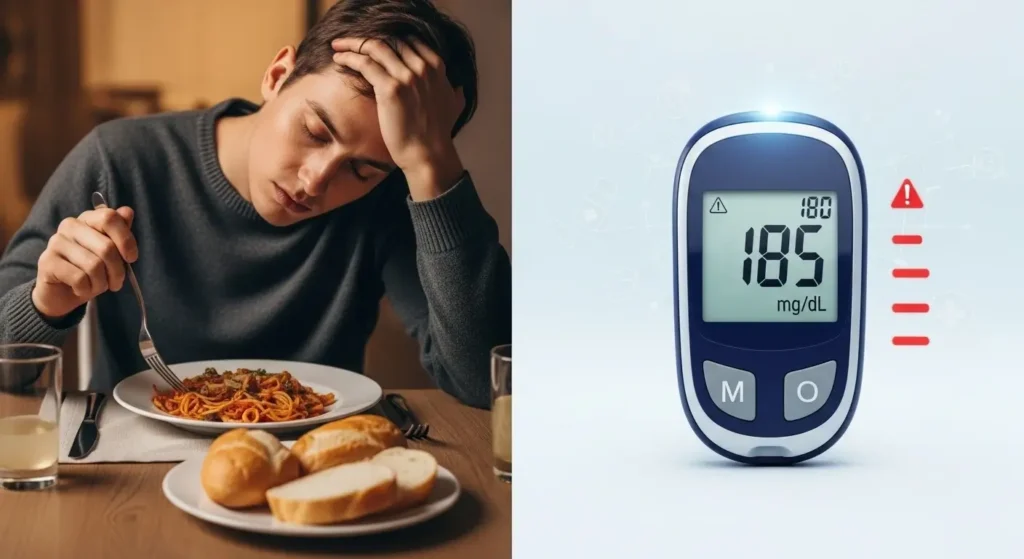
💡 Feeling EXHAUSTED after meals? Time to check what’s REALLY going on!
The Diabetes Connection: Why Blood Sugar Matters
Now, let’s talk about the elephant in the room—diabetes. When someone has diabetes or prediabetes, their body struggles to regulate blood sugar (glucose) effectively. This malfunction can absolutely contribute to excessive fatigue after eating, but the mechanism behind it is more complex than you might think.
Type 2 Diabetes and Postprandial Fatigue
In Type 2 diabetes, the body either doesn’t produce enough insulin or has developed insulin resistance—meaning the cells don’t respond properly to insulin’s signals. Insulin is like a key that unlocks your cells, allowing glucose to enter and provide energy. When this system isn’t working correctly, glucose accumulates in the bloodstream instead of fueling your cells.
Here’s where it gets interesting: After you eat, your blood sugar naturally rises. In someone without diabetes, insulin efficiently ushers that glucose into cells for energy. But in someone with undiagnosed or poorly managed diabetes, the glucose stays in the blood. Your cells are essentially starving for energy despite having plenty of fuel circulating in your bloodstream. This creates a paradoxical situation where you feel exhausted even though you’ve just eaten.
Research published in the journal Diabetes Care has shown that postprandial (after-meal) hyperglycemia—elevated blood sugar after eating—is strongly associated with fatigue and reduced cognitive function. One study found that people experiencing blood sugar spikes above 140 mg/dL after meals reported significantly higher levels of tiredness and difficulty concentrating.
The Reactive Hypoglycemia Phenomenon
But here’s a twist: Sometimes excessive sleepiness after eating isn’t caused by high blood sugar—it’s caused by blood sugar that drops too low. This condition, called reactive hypoglycemia, can occur in people with prediabetes or in the early stages of Type 2 diabetes.
What happens is this: When you eat, especially foods high in refined carbohydrates, your blood sugar shoots up rapidly. Your pancreas responds by releasing a large amount of insulin, sometimes overshooting the mark. This excess insulin then causes your blood sugar to plummet a few hours after eating, leaving you feeling shaky, dizzy, and overwhelmingly tired.
I’ve spoken with several patients who described this as feeling “absolutely wiped out” about two hours after lunch, often accompanied by irritability and difficulty thinking clearly. One woman told me it felt like “someone unplugged my battery.” She was later diagnosed with prediabetes and insulin resistance.
Other Signs That Might Accompany Diabetic Fatigue
If your post-meal sleepiness is related to diabetes, it typically won’t be your only symptom. Diabetes tends to announce itself through a constellation of warning signs. Here are the other red flags that might appear alongside excessive fatigue:
Increased thirst and frequent urination: When your blood sugar is high, your kidneys work overtime trying to filter out the excess glucose, pulling water from your tissues in the process. This makes you thirsty and sends you to the bathroom constantly—sometimes even waking you up multiple times at night.
Unexplained weight changes: Many people with undiagnosed Type 2 diabetes experience weight gain, particularly around the midsection, due to insulin resistance. However, some people, especially those with Type 1 diabetes, might actually lose weight because their cells aren’t getting the glucose they need for energy.
Blurred vision: High blood sugar can cause the lens of your eye to swell, affecting your ability to focus. This symptom often fluctuates throughout the day and can be particularly noticeable after meals.
Slow-healing cuts or frequent infections: Elevated blood sugar impairs your immune system and damages blood vessels, making it harder for your body to heal wounds and fight off infections.
Tingling or numbness in hands and feet: Over time, high blood sugar can damage nerves, a condition called diabetic neuropathy. This often starts as a tingling sensation or numbness in the extremities.
Increased hunger: Even after eating, you might feel ravenously hungry because your cells aren’t effectively absorbing glucose for energy. It’s like having a full gas tank but a broken fuel pump.
If you’re experiencing several of these symptoms along with your post-meal drowsiness, it’s definitely time to schedule a visit with your healthcare provider.
Non-Diabetic Causes of Post-Meal Sleepiness
Before you jump to conclusions about diabetes, it’s important to recognize that many other factors can cause you to feel sleepy after eating. In fact, for most people, the explanation is much simpler and less concerning.
Food Choices and Meal Composition
What you eat matters enormously. Meals high in refined carbohydrates—think white bread, pasta, sugary desserts—cause rapid spikes in blood sugar followed by crashes, even in people without diabetes. This glycemic rollercoaster can leave anyone feeling drained.
Large, heavy meals require more energy for digestion, pulling blood away from your brain and muscles. Fatty foods, while delicious, take longer to digest and can contribute to that sluggish feeling. And if you’re eating lunch at your desk while checking emails, you’re not giving your body the signal to properly shift into “rest and digest” mode.
Sleep Deprivation and Circadian Rhythms
Let’s be honest—are you getting enough sleep at night? Most adults need seven to nine hours, but many of us are running on significantly less. When you’re already sleep-deprived, the natural afternoon dip in your circadian rhythm (that happens between 1 and 3 PM for most people) becomes much more pronounced.
Add a meal to this natural low-energy period, and it’s no wonder you’re struggling to stay awake. Research from the Journal of Clinical Sleep Medicine shows that even mild sleep restriction can significantly amplify postprandial fatigue.
Thyroid Issues and Hormonal Imbalances
An underactive thyroid (hypothyroidism) can cause persistent fatigue, including increased sleepiness after eating. Your thyroid regulates metabolism, so when it’s not functioning optimally, everything slows down—including how your body processes food.
Similarly, hormonal changes during menstruation, pregnancy, or menopause can affect energy levels and make post-meal tiredness more noticeable.
Food Sensitivities and Intolerances
Some people experience significant fatigue after eating foods they’re sensitive to, even if they don’t have a full-blown allergy. Common culprits include gluten, dairy, and certain FODMAPs. This isn’t the same as diabetes, but it can certainly make you feel wiped out after meals.
🚨 Don’t IGNORE these symptoms—your body is TRYING to tell you something! 🚨
When to See a Doctor: Red Flags to Watch For
So how do you know when your post-meal sleepiness warrants medical attention? Here are some guidelines that should prompt you to schedule an appointment:
The fatigue is severe and consistent: If you’re struggling to function after every meal, not just occasionally feeling a bit drowsy, that’s a concern. One man I know described literally having to pull over to nap in his car after lunch every single day—that level of exhaustion isn’t normal.
You have other symptoms: As mentioned earlier, if the sleepiness is accompanied by increased thirst, frequent urination, unexplained weight changes, or vision problems, these could be signs of diabetes.
It’s affecting your quality of life: When post-meal tiredness interferes with work, relationships, or daily activities, it’s time to investigate the cause.
You have risk factors for diabetes: These include being overweight, having a family history of diabetes, being over 45 years old, having polycystic ovary syndrome (PCOS), a history of gestational diabetes, or belonging to certain ethnic groups that have higher diabetes rates (African American, Hispanic/Latino, Native American, Asian American, Pacific Islander).
The pattern has changed recently: If you used to handle meals just fine but have recently started experiencing overwhelming fatigue afterward, something has shifted in your body.
You’ve made lifestyle changes but nothing improves: If you’ve already adjusted your diet, improved your sleep, and managed stress, yet the problem persists, there may be an underlying medical issue.
Testing for Diabetes: What to Expect
If you and your doctor decide that testing for diabetes is warranted, there are several diagnostic tools available:
Fasting plasma glucose test: This measures your blood sugar after you’ve fasted for at least eight hours. A result of 126 mg/dL or higher on two separate occasions indicates diabetes.
A1C test: This blood test shows your average blood sugar levels over the past two to three months. An A1C of 6.5% or higher suggests diabetes, while 5.7% to 6.4% indicates prediabetes.
Oral glucose tolerance test: You’ll drink a sugary solution, and your blood sugar will be tested periodically over two hours. This test can reveal both diabetes and reactive hypoglycemia.
Random plasma glucose test: A blood sugar level of 200 mg/dL or higher at any time of day, especially with symptoms, suggests diabetes.
Continuous glucose monitoring: For a more detailed picture, your doctor might recommend wearing a continuous glucose monitor for several days. This device tracks your blood sugar levels in real-time, showing exactly how your body responds to different meals and activities.
These tests are straightforward, relatively inexpensive, and covered by most insurance plans. Early detection is crucial because it allows you to take action before diabetes causes serious complications.
Managing Post-Meal Sleepiness: Practical Strategies
Whether your post-meal fatigue is diabetes-related or not, there are evidence-based strategies that can help you maintain better energy levels throughout the day.
Optimize Your Meals
Balance your plate: Aim for meals that include protein, healthy fats, and fiber along with carbohydrates. This combination slows digestion and prevents blood sugar spikes. For example, instead of pasta with marinara sauce, try whole-grain pasta with grilled chicken, olive oil, and plenty of vegetables.
Choose low-glycemic foods: Focus on foods that don’t cause rapid blood sugar increases—think whole grains, legumes, non-starchy vegetables, nuts, and most fruits. The glycemic index can be a helpful tool for making food choices.
Watch your portion sizes: Even healthy foods can cause problems if you eat too much. Using smaller plates and eating slowly can help you recognize fullness signals before you’ve overeaten.
Stay hydrated: Dehydration can worsen fatigue. Aim for about eight glasses of water daily, and consider drinking a glass before meals.
Limit alcohol at lunch: Alcohol can intensify post-meal drowsiness and affect blood sugar regulation.
Timing and Eating Patterns
Eat smaller, more frequent meals: Instead of three large meals, try eating five or six smaller ones throughout the day. This approach can help maintain steadier blood sugar levels.
Don’t skip breakfast: Starting your day with a balanced breakfast sets the tone for better blood sugar control throughout the day.
Mind the afternoon timing: If possible, avoid heavy meals during your natural circadian dip (early afternoon). Save larger meals for when your body is naturally more alert.
Lifestyle Modifications
Move after meals: A brief walk after eating—even just 10 or 15 minutes—can significantly reduce post-meal blood sugar spikes and improve energy levels. Research published in Diabetes Care found that a 15-minute walk after meals was more effective at controlling blood sugar than a single 45-minute walk at another time of day.
Prioritize sleep: Aim for seven to nine hours of quality sleep per night. Good sleep hygiene includes maintaining a consistent sleep schedule, creating a dark and cool bedroom environment, and limiting screen time before bed.
Manage stress: Chronic stress affects blood sugar regulation and can worsen fatigue. Consider incorporating stress-reduction techniques like meditation, deep breathing, or yoga into your daily routine.
Consider strategic caffeine: A small amount of caffeine after lunch can help counteract the afternoon slump. However, be cautious about consuming caffeine too late in the day, as it can interfere with nighttime sleep.
Medical Interventions
If you’re diagnosed with diabetes or prediabetes, your healthcare provider might recommend:
Medications: Drugs like metformin can help improve insulin sensitivity and blood sugar control.
Blood sugar monitoring: Checking your blood sugar before and after meals can help you identify which foods cause problematic spikes.
Dietary counseling: Working with a registered dietitian who specializes in diabetes can provide personalized guidance.
Exercise programs: Regular physical activity improves insulin sensitivity and can reduce post-meal blood sugar levels.
The Bigger Picture: Why This Matters
Post-meal sleepiness might seem like a minor inconvenience, but it can be a window into your overall metabolic health. Diabetes isn’t just about blood sugar—it’s a systemic condition that affects your entire body. Left unmanaged, it can lead to serious complications including heart disease, kidney damage, nerve damage, vision loss, and more.
The good news? Type 2 diabetes is often preventable, and even if you’ve already developed it, it’s manageable. Catching problems early—whether it’s prediabetes, insulin resistance, or full-blown diabetes—gives you the opportunity to make changes that can dramatically improve your health trajectory.
I’ve seen people completely transform their lives by addressing these issues. One colleague of mine started experiencing severe post-meal fatigue in his early forties. He was diagnosed with prediabetes, changed his diet, started exercising regularly, and lost 30 pounds. Two years later, his blood work was completely normal, and he told me he had more energy than he’d had in a decade.
That’s the power of taking these symptoms seriously and acting on them.
Living Well Despite Post-Meal Tiredness
If you’re currently dealing with this issue, remember that you’re not alone, and there’s so much you can do about it. Whether the cause is diabetes, poor sleep, dietary choices, or something else entirely, understanding what’s happening in your body is the first step toward feeling better.
Start by paying attention to patterns. Keep a food and energy journal for a week or two, noting what you eat, when you eat it, and how you feel afterward. This information can be invaluable for identifying triggers and discussing your symptoms with a healthcare provider.
Don’t dismiss your symptoms as just getting older or being too busy. Your body is giving you feedback, and it’s worth listening to. The quality of your life—your energy, your productivity, your ability to engage fully with the people and activities you love—is too important to ignore.
Remember, managing blood sugar isn’t about perfection. It’s about making consistently better choices, being kind to yourself when things don’t go according to plan, and staying committed to your health over the long term. Small changes add up to significant results.
Wrapping It Up
So, is feeling sleepy after eating a sign of diabetes? It can be, especially if it’s severe, consistent, and accompanied by other symptoms like increased thirst, frequent urination, or unexplained weight changes. However, it’s just as likely to be caused by factors like meal composition, portion sizes, sleep deprivation, or your natural circadian rhythm.
The most important takeaway is this: don’t ignore persistent post-meal fatigue, especially if you have risk factors for diabetes. A simple conversation with your doctor and some basic blood tests can provide clarity and peace of mind. Early detection and intervention can prevent serious health complications and dramatically improve your quality of life.
Your energy levels are a vital sign of your overall health. They deserve attention, investigation, and appropriate care. By understanding the connection between what you eat, how your body responds, and the possibility of underlying conditions like diabetes, you’re empowering yourself to take control of your health.
Whether you need to tweak your diet, get more sleep, or address a medical condition, there’s a path forward. You deserve to feel alert, energized, and fully present for your life—not fighting to keep your eyes open after every meal.
✨ Take CONTROL of your energy today—small changes CREATE big results! ✨
The information provided on HealthyPa.com is for educational and informational purposes only and is not intended as medical advice. The content on this website, including articles, reviews, and product recommendations, should not be used as a substitute for professional medical advice, diagnosis, or treatment.
Always seek the advice of your physician or other qualified health provider with any questions you may have regarding a medical condition or before starting any new supplement, diet, or exercise program. Never disregard professional medical advice or delay in seeking it because of something you have read on this website.
The statements regarding dietary supplements have not been evaluated by the Food and Drug Administration (FDA). These products are not intended to diagnose, treat, cure, or prevent any disease.
Individual results may vary. The testimonials and experiences shared on this website are individual cases and do not guarantee that you will achieve the same results.
If you are pregnant, nursing, taking medication, or have a medical condition, consult your healthcare provider before using any products reviewed or recommended on this site.
HealthyPa.com and its authors, contributors, and affiliated parties assume no responsibility for any consequences relating directly or indirectly to any action or inaction you take based on the information found on this website.
By using this website, you acknowledge and agree to this disclaimer.
HealthyPa.com is reader-supported. When you buy through links on our site, we may earn an affiliate commission at no additional cost to you. This helps us keep our content free and continue providing valuable health information. We only recommend products we genuinely believe in. Learn more in our full Affiliate Disclosure Policy.